Planning an elopement in Italy can feel overwhelming, especially if you’re organizing everything from abroad and without a wedding planner. Between legal requirements, locations, timing, and logistics, it’s often hard to know where to start.
This guide is written for couples who want a clear and honest overview of how to elope in Italy, with practical information and local insight based on real experience. Whether you’re dreaming of an intimate ceremony in the mountains, along the coast, or in a historic town, this article will walk you through the process step by step, helping you plan your elopement with confidence and intention.
If you’re planning a larger celebration with guests rather than an intimate elopement, you may also want to explore this guide on how to plan a destination wedding in Italy.
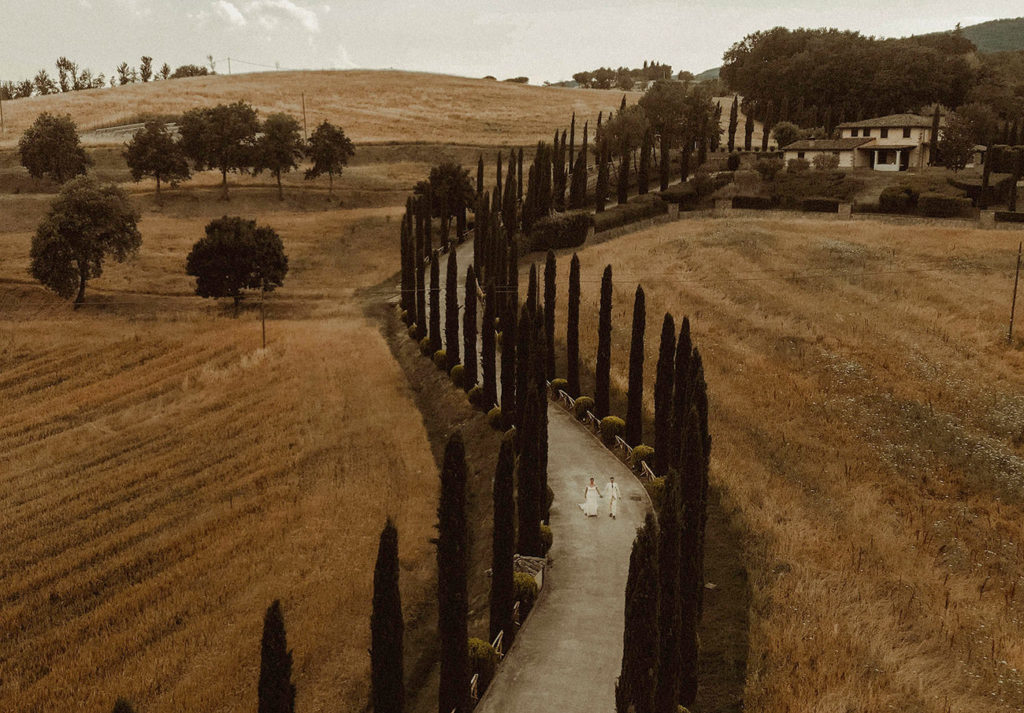
What does it mean to Elope in Italy?
Eloping in Italy is not about secrecy or spontaneity alone. Today, an elopement is a conscious choice to step away from expectations and focus on what truly matters: connection, presence, and the experience of committing to one another in a meaningful place.
Unlike traditional weddings, which often involve large guest lists, rigid timelines, and months of logistical planning, elopements are intentionally intimate. They allow couples to exchange vows privately, or with only a few loved ones present, without the pressure of performance or convention.
For many couples, eloping is a way to reclaim their wedding day. It removes the stress of organizing a large event and creates space for emotions, silence, and genuine moments. The day becomes less about schedules and more about intention.

Italy, in particular, lends itself naturally to this kind of experience. Couples may choose to elope in a destination that holds personal meaning, somewhere they have dreamed of visiting together, or simply a place whose landscape and atmosphere resonate with who they are. Whether it’s a historic town, a quiet stretch of coastline, a mountain setting, or a hidden natural spot, the location becomes part of the story rather than just a backdrop.
An elopement is, above all, a personal experience. There is no fixed format, no single way to do it “right.” Each elopement reflects the couple’s values, their relationship, and the reasons they chose to be together in the first place.
Why you should Elope in Italy?
Italy offers an extraordinary balance of beauty, culture, and atmosphere, making it a natural choice for couples seeking a meaningful elopement experience. Beyond its visual appeal, Italy invites a slower pace and a deeper connection to place, which aligns perfectly with the spirit of an intimate celebration.
One of Italy’s greatest strengths is its diversity. From alpine landscapes and rolling countryside to dramatic coastlines and historic towns, each region offers a distinct character. Whether you imagine exchanging vows in the mountains, by the sea, or in a quiet village steeped in history, Italy allows couples to choose a setting that truly reflects who they are.
Italy’s cultural heritage also plays a quiet but powerful role. Centuries of art, architecture, and tradition create an atmosphere that feels timeless rather than staged. Even the simplest ceremony gains depth when surrounded by places shaped by history and human presence.
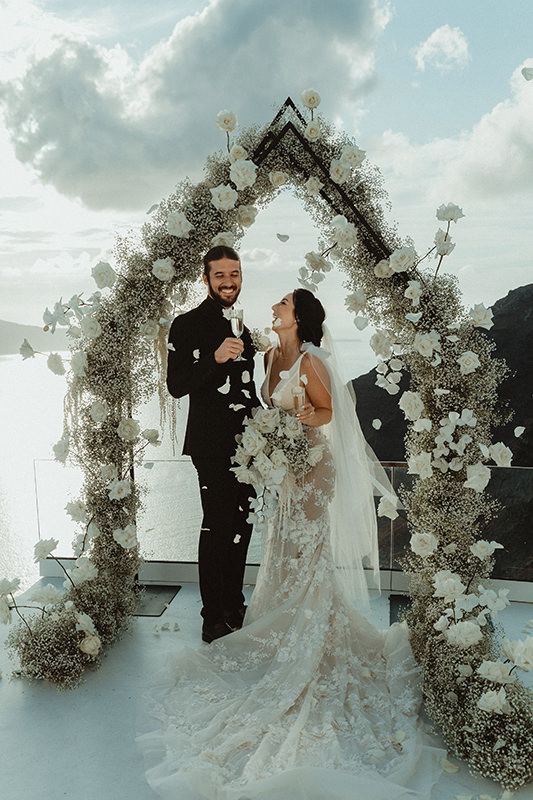
Food and hospitality are another essential part of the experience. Sharing a meal, whether it’s a relaxed lunch after the ceremony or a celebratory dinner at the end of the day, becomes an extension of the elopement itself. In Italy, these moments feel natural, unhurried, and deeply rooted in local culture.
Ultimately, eloping in Italy provides the opportunity to transform your wedding into a shared experience. Rather than planning a single event, couples often turn their elopement into a multi-day experience: exploring, resting, and being fully present together. The elopement becomes not just a ceremony, but the beginning of a meaningful chapter lived side by side.
Is it Legal to Elope in Italy?
Yes, eloping in Italy is legal. However, the process depends on whether you choose a civil or a symbolic ceremony, and understanding the difference is essential before planning the rest of your elopement.
Italy has clear legal requirements for marriage. While the process is manageable, it does involve paperwork, timelines, and coordination with local authorities. For couples planning from abroad, this is often the most complex part of the journey, but with the right preparation, it can be handled smoothly.

Civil Elopements in Italy (Legal Ceremonies)
A civil elopement in Italy is a legally binding marriage recognized both in Italy and internationally. Civil ceremonies are performed by a government official and usually take place at a town hall or another approved municipal venue.
To legally marry in Italy, couples are typically required to provide:
- Valid passports
- Birth certificates
- A declaration of no impediment to marriage (often issued by your home country)
- Additional documents depending on nationality
These documents usually need to be:
- officially translated into Italian
- legalized or apostilled
- submitted within specific timeframes
Requirements can vary depending on nationality and municipality, which is why starting the process several months in advance is strongly recommended.
Because of the administrative steps involved, many couples planning a civil elopement choose to work with a local planner or legal consultant who can coordinate paperwork and appointments on their behalf.
Symbolic Elopements in Italy
Symbolic elopements are not legally binding but offer far greater flexibility. Couples who choose this option are often already legally married in their home country or plan to complete the legal paperwork before or after their elopement.
Without the constraints of legal formalities, symbolic ceremonies can take place almost anywhere—on a cliff, in nature, at a private villa, or in a meaningful location that would not be possible for a civil ceremony. This freedom allows couples to design a ceremony that feels entirely personal and aligned with their vision.
For this reason, many couples traveling to Italy choose a symbolic elopement, focusing on the experience rather than the administrative process.
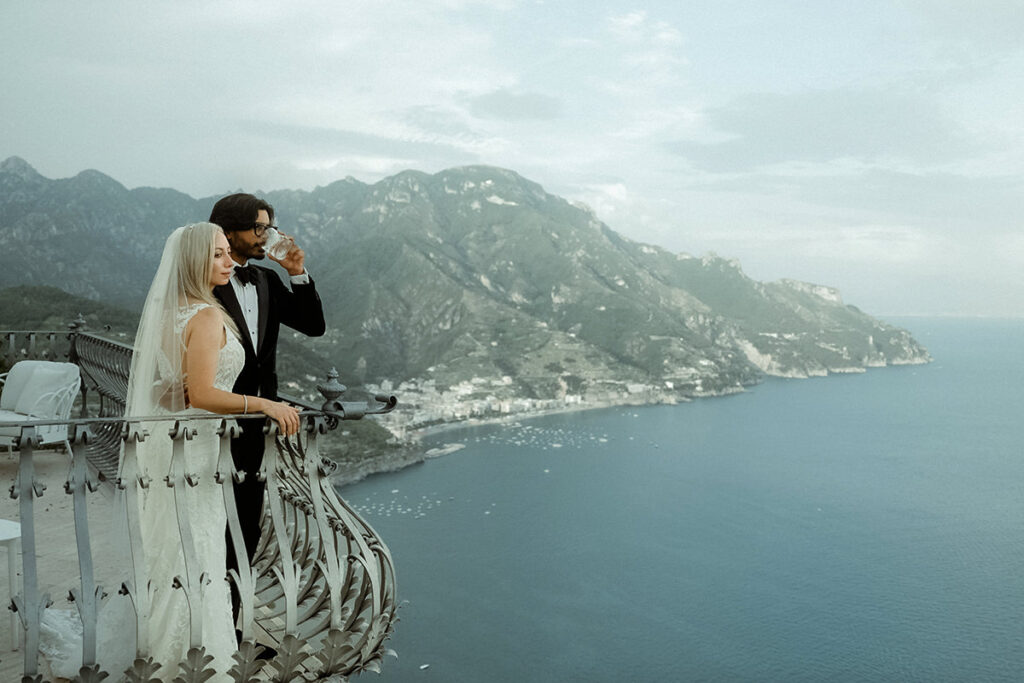
Permits, Locations, and Local Regulations
Some locations in Italy, especially natural landmarks, historic sites, or protected areas, require permits for ceremonies or professional photography and videography.
Regulations vary by region and location. Even symbolic ceremonies may require permission depending on where they take place. Understanding these requirements in advance helps avoid last-minute changes and ensures the elopement unfolds smoothly.
Planning ahead makes all the Difference
Legal requirements are not meant to complicate the experience, but they do require time and attention. Understanding your options early allows you to plan the rest of your elopement with confidence and focus on the experience rather than administrative stress.
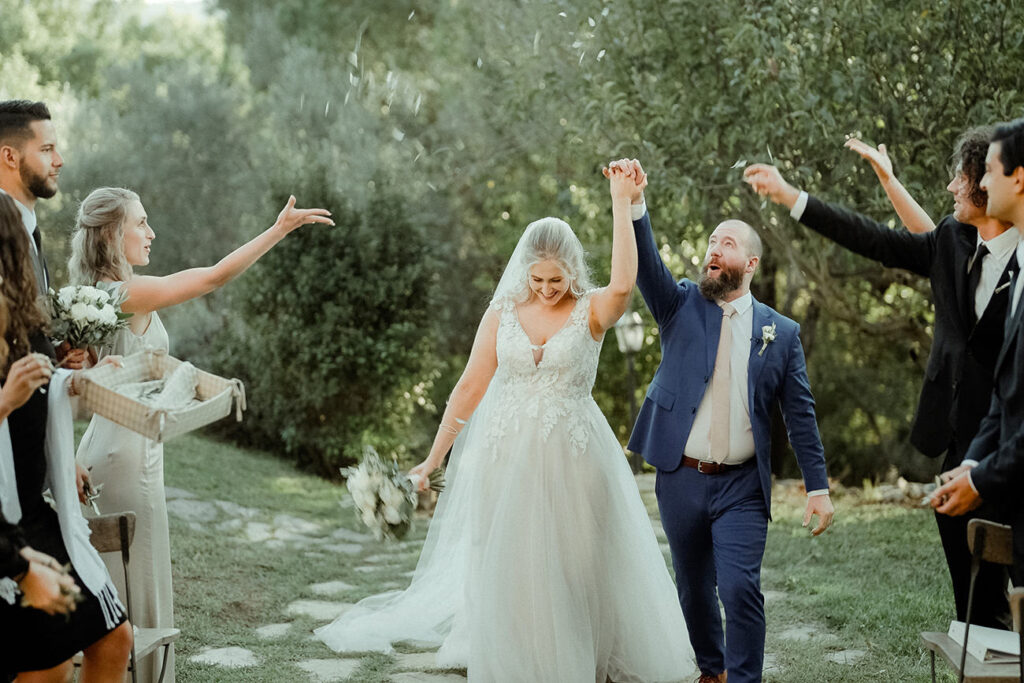
Step-by-Step – How to Plan an Elopement in Italy
Planning an elopement in Italy doesn’t follow the same rules as planning a traditional wedding. Instead of coordinating a large event, the focus shifts toward intention, timing, and choosing the right elements to support a meaningful experience.
Breaking the process into clear steps helps couples move forward with confidence and avoid unnecessary stress.
Decide What Kind of Elopement you Want
Before choosing a location or setting a date, it’s important to define what your elopement should feel like. Some couples envision a quiet ceremony with just the two of them, while others include a small group of family or friends. Some prioritize nature and adventure, while others are drawn to historic towns or refined architectural settings.
There is no right or wrong approach; clarity comes from understanding your priorities and values as a couple.
Choose the Right Location in Italy
Italy offers an incredible range of landscapes, each with its own rhythm and atmosphere. When choosing a location, consider not only how it looks, but how it will feel on the day of your elopement.
Accessibility, privacy, seasonality, and local regulations all play a role. Some locations require permits, while others are more flexible. Taking these practical elements into account early will help shape a smoother experience.

Set a Realistic Timeline
Elopements may be intimate, but they still require planning. Legal requirements, vendor availability, and travel logistics all influence timing.
Starting the planning process early, especially for civil ceremonies, allows flexibility and reduces pressure. A relaxed timeline also leaves space to enjoy Italy beyond the ceremony itself, transforming your elopement into a shared journey rather than a single event.
Build a Team You Trust
Even the most intimate elopements benefit from the support of experienced local professionals. Depending on your plans, this may include a planner, celebrant, photographer, videographer, or other vendors who understand the nuances of eloping in Italy.
Working with people who are familiar with local conditions, permits, and timing can make the process feel lighter and more intuitive, especially when planning from abroad.
Think Beyond the Ceremony
One of the advantages of eloping in Italy is the freedom to design an experience that extends beyond the ceremony itself. Many couples choose to incorporate activities that reflect their personalities, whether that’s hiking, exploring a historic town, sharing a long meal, or simply slowing down together.

These moments often become just as meaningful as the exchange of vows and help shape the overall story of the elopement.
When is the Best Time to Elope in Italy?
There is no single “best” time to elope in Italy. The ideal season depends on the experience you want, the location you choose, and how much flexibility you’re comfortable with. Understanding how each season feels can help you choose a moment that aligns with your vision.
Spring Elopements in Italy (March to May)
Spring is a popular time for elopements in Italy, especially for couples who want mild temperatures and softer light. Landscapes begin to bloom, cities feel lively but not yet crowded, and conditions are generally comfortable for outdoor ceremonies.
Spring works particularly well for countryside and city elopements, though weather can still be unpredictable early in the season.
Summer Elopements in Italy (June to August)
Summer offers long days, warm evenings, and vibrant energy, especially in coastal regions. However, it is also the busiest and hottest time of year.

Couples eloping in summer often choose early morning or late afternoon ceremonies to avoid crowds and heat. With thoughtful planning, summer elopements can be beautiful, but they require flexibility and awareness of seasonal conditions.
Autumn Elopements in Italy (September to November)
Autumn is often considered one of the most balanced seasons to elope in Italy. Temperatures cool, crowds gradually decrease, and the light becomes softer and more atmospheric.
For couples seeking a relaxed pace and a more intimate feel, autumn offers a wonderful balance between comfort and beauty, particularly in regions known for vineyards, hills, and historic towns.
Winter Elopements in Italy (December to February)
Winter elopements in Italy are quieter and more intimate. While some regions experience cold temperatures, others remain mild, and popular locations feel calmer and less crowded.

Winter is ideal for couples who value privacy, atmosphere, and simplicity. Shorter days and limited daylight require careful planning, but the reward is a deeply personal experience away from peak tourist seasons.
How Much Does an Elopement in Italy Cost?
The cost of an elopement in Italy can vary significantly depending on your plans, location, and the type of experience you want to create. Unlike traditional weddings, elopements are often more flexible, allowing couples to prioritize what matters most to them rather than following a fixed formula.
There is no single price for an elopement in Italy, but understanding the main factors that influence cost can help you set realistic expectations from the start.
Typical Elopement Budget Ranges
While every elopement is unique, most elopements in Italy fall within a wide but manageable range. Smaller, symbolic elopements with minimal logistics tend to be more accessible, while civil ceremonies or multi-day experiences naturally require a larger investment.
Costs generally reflect:
- the complexity of the ceremony
- the location and permits involved
- travel and accommodation
- the number of vendors involved
Elopements offer flexibility; you can keep things simple or expand the experience over several days.
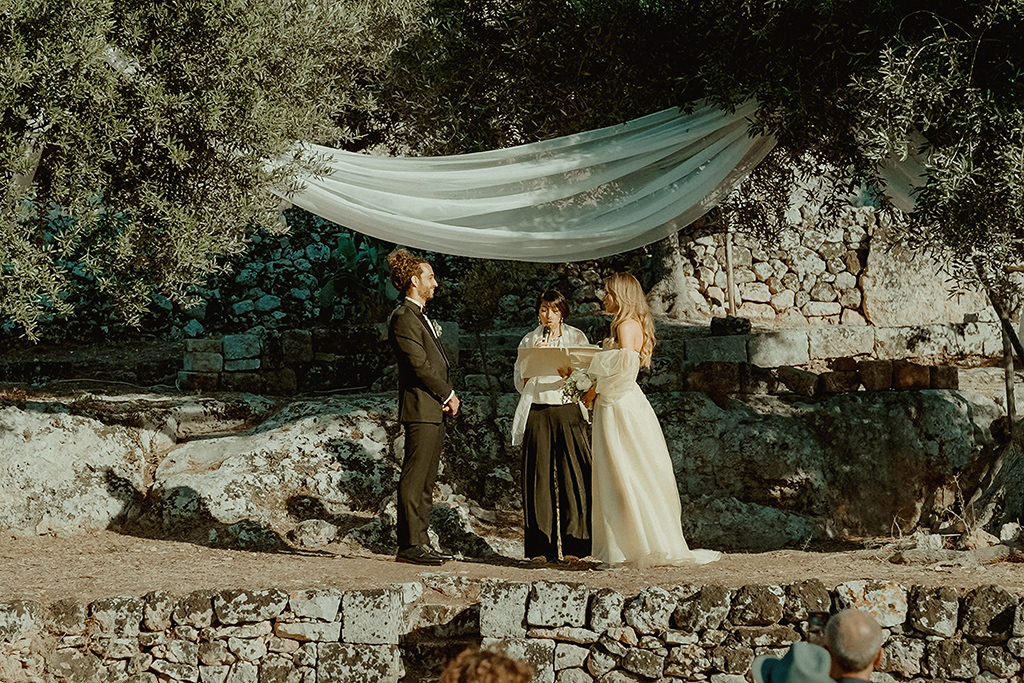
What Influences the Cost Most
Several key elements have the biggest impact on budget:
Location – Remote or iconic locations may require permits, special access, or additional logistics.
Season – Peak months often come with higher accommodation and travel costs.
Vendors – Photography, videography, celebrants, planners, and florists all play a role depending on your vision.
Travel & Accommodation – Staying longer or moving between regions increases costs but can enrich the experience.
Understanding these variables allows couples to make informed choices without unnecessary pressure.
Where Couples Choose to Invest
Many couples choose to invest in elements that preserve the experience beyond the day itself. Professional photography and videography, for example, allow couples to relive their elopement long after returning home.
Others prioritize meaningful locations, extended stays, or experiences that transform the elopement into a journey rather than a single event.
There is no right allocation of budget, only what feels aligned with your values and priorities.
A Simple Elopement Budget Checklist
While every elopement is different, the following checklist can help you visualize where costs typically come from and decide what matters most to you.
- Ceremony type (civil or symbolic)
- Location or permit fees (if applicable)
- Photography and videography
- Celebrant or officiant
- Travel and accommodation
- Attire and personal styling
- Flowers or minimal decor
- Activities or experiences during the day
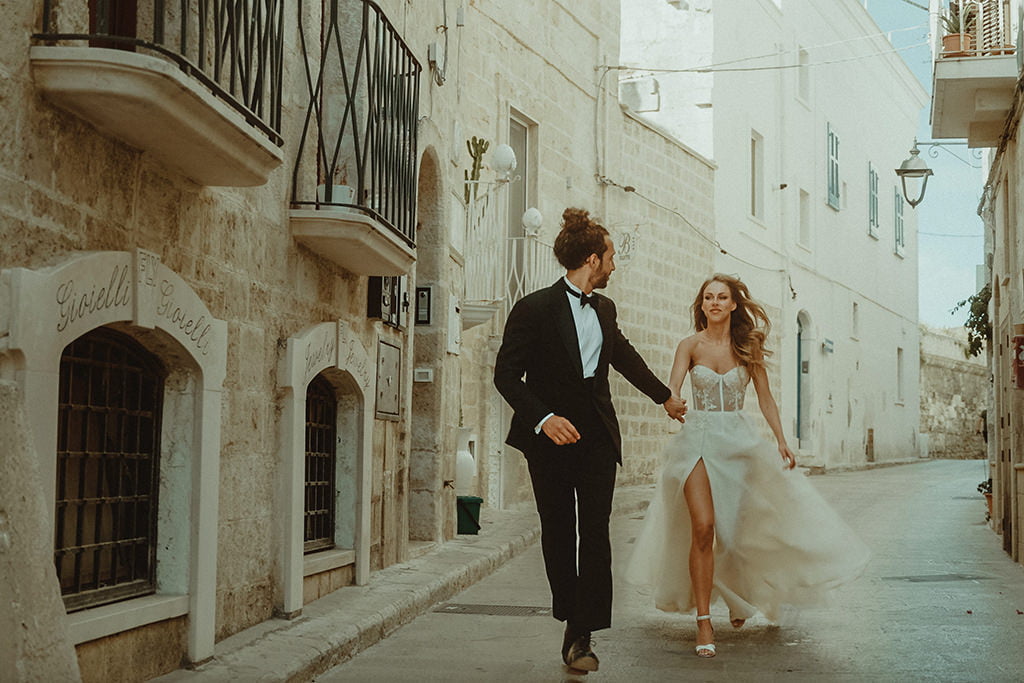
Do You Need a Wedding Planner to Elope in Italy?
Whether or not you need a wedding planner to elope in Italy depends entirely on your plans, your comfort level, and the type of elopement experience you want to create. Some couples benefit greatly from professional planning support, while others prefer a more hands-on approach.
There is no single right answer, only what works best for you.
When a Planner Can Be Helpful
A wedding planner can be particularly valuable if you are planning a civil elopement, navigating complex legal requirements, or organizing a ceremony in a location that requires permits or coordination with local authorities.
Planners are also helpful when couples want a seamless experience but have limited time to manage logistics themselves, especially when planning from abroad.
Planning an Elopement Without a Planner
Many couples choose to plan their elopement without a wedding planner, particularly for symbolic ceremonies or simpler celebrations. In these cases, working with experienced local vendors, such as photographers, videographers, or celebrants, often provides enough guidance to navigate logistics and timing.
Planning without a planner allows couples to stay closely involved in every decision and often results in a more personal, flexible experience.
Finding the Right Balance
Some elopements fall somewhere in between. Couples may rely on a planner for specific aspects, such as legal paperwork or permits, while handling other elements themselves.
The key is understanding your own needs and choosing a level of support that allows you to enjoy the experience rather than feel overwhelmed by it.

Choosing the Right Photographer & Videographer for Your Elopement
When planning an elopement in Italy, choosing the right photographer and videographer is about more than visual style. These are the people who will spend the most time with you on the day, often guiding the pace, adapting to changing conditions, and helping create an experience that feels natural and unforced.
Especially for intimate celebrations, trust and connection matter just as much as aesthetics.
Why Local Experience Matters
Eloping in Italy often means working with changing light, unfamiliar locations, and locations that may require permits or careful timing. Working with professionals who have experience documenting elopements across Italy can make a significant difference, especially when navigating unfamiliar locations and conditions, allowing couples to stay present rather than worrying about logistics.
Local knowledge can also help with subtle decisions, such as choosing the right time of day, adapting plans to weather, or suggesting alternatives when conditions change.
Looking Beyond Style
While visual style is important, it should not be the only deciding factor. For elopements, it’s essential to work with someone who understands how to blend into the day rather than stage it.
An Experienced elopement photographer or videographer will know when to step in with gentle guidance and when to step back, allowing real moments to unfold naturally.
Storytelling and Presence
Elopements are often quiet and deeply personal. The way they are documented should reflect that intimacy. Rather than focusing on poses or spectacle, many couples value an approach that captures how the day feels: the pauses, the movement, the atmosphere, and the connection between them.
Choosing professionals who value storytelling and presence ensures that the final images or film become more than documentation; they become a lasting reflection of the experience itself.
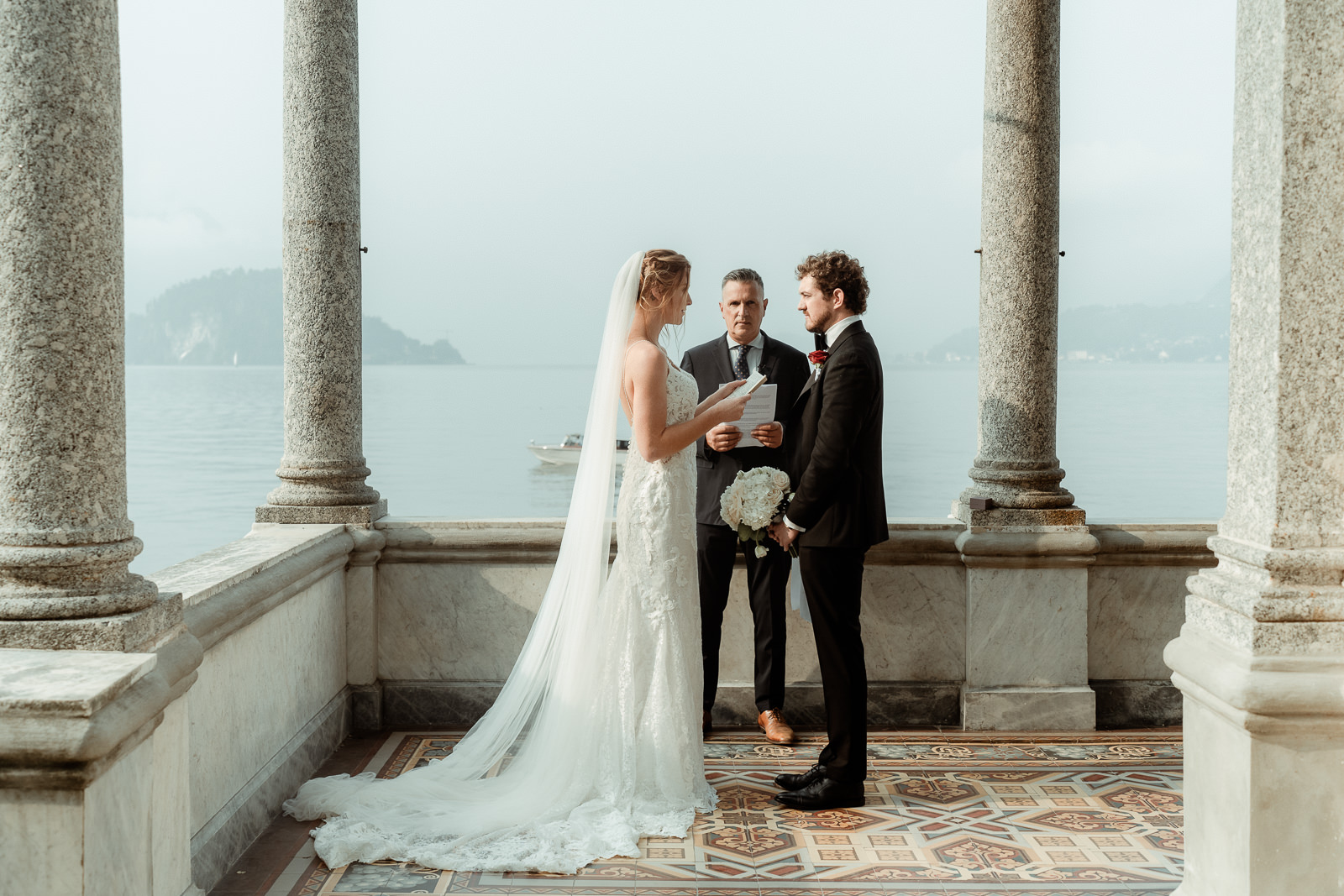
The approach described in this guide is shaped by real elopements filmed across Italy. Below is a short example of how an intimate elopement experience can unfold: quietly, intentionally, and without performance.
What to Expect on the Day of Your Elopement
An elopement day in Italy rarely follows a rigid schedule, and that’s precisely what makes it special. Rather than moving from one obligation to another, the day unfolds at a slower, more intentional pace, leaving room for spontaneity and presence.
While every elopement is different, most share a similar rhythm shaped around simplicity, flexibility, and experience rather than structure.
A Slower, More Intentional Pace
Unlike traditional weddings, elopements are not built around strict timelines or large groups of people. The day often begins quietly, with time to get ready without pressure, followed by the ceremony itself and space afterward to simply be together.
This slower pace allows couples to remain present throughout the experience, rather than feeling rushed or pulled in multiple directions.
Adapting to Light, Weather, and Place
One of the defining aspects of eloping in Italy is working with real environments rather than controlled venues. Light changes, weather shifts, and locations may evolve throughout the day.
Rather than seeing this as a challenge, many couples find it becomes part of the experience. Flexibility and openness allow the day to unfold naturally, often resulting in moments that feel authentic and unrepeatable.
Creating Space for Real Moments
Because elopements are intimate by nature, moments tend to feel deeper and less performative. Silence, movement, laughter, and emotion all have room to exist without interruption.
Many couples find that these unplanned moments, walking together, sharing a meal, or simply pausing to take everything in, become the most meaningful memories of the day.
Activities That Shape the Elopement Experience
One of the most meaningful aspects of eloping in Italy is the freedom to shape the day around experiences rather than schedules. Without the constraints of a traditional wedding timeline, couples often choose to include activities that reflect who they are and how they want to remember the day.
These moments don’t need to be elaborate or planned in detail. Often, they emerge naturally from the setting and the pace of the day.
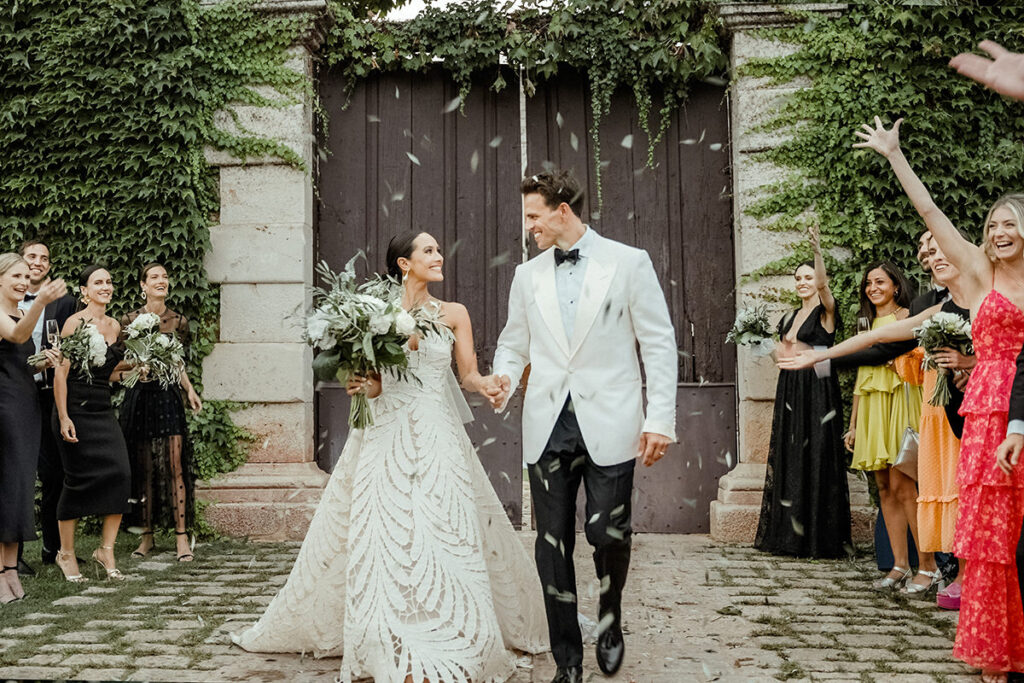
Some couples begin their elopement with a quiet walk through a historic town, allowing the atmosphere to unfold slowly. Others choose to hike to a viewpoint, explore the coastline by boat, or wander through the countryside together before or after exchanging vows.
Sharing a meal is another deeply personal moment many couples incorporate, whether it’s a simple picnic, a relaxed lunch at a local trattoria, or a long dinner at the end of the day. These moments often become anchors in the memory of the elopement, grounding the experience in presence and connection.
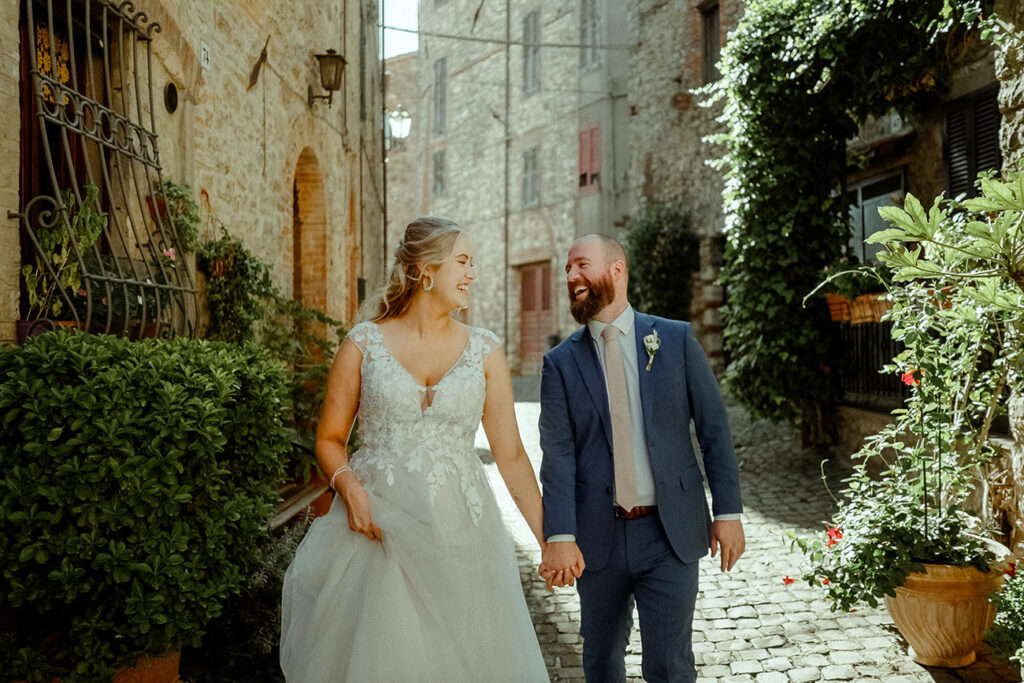
Activities don’t have to be adventurous to be meaningful. Sitting together, watching the light change, taking time to breathe, or simply moving through a place hand in hand often carries as much emotional weight as the ceremony itself.
Rather than thinking in terms of “what to do,” many couples find it helpful to think about how they want the day to feel. From there, the activities naturally align with the experience they want to create.
A Few Practical Considerations
While every elopement unfolds differently, a few practical considerations can help the day feel calmer and more intentional, especially when working with natural light, outdoor locations, and popular destinations.
- Light shapes the experience.
The softest and most flattering light typically occurs one to two hours before sunrise and sunset, often referred to as the golden hour. In mountainous regions such as the Alps or the Dolomites, surrounding peaks can shift this timing, which is why planning light carefully becomes part of the experience. - Weekdays offer more intimacy.
Popular locations, especially along the Amalfi Coast, can become crowded. Eloping on a weekday often allows for a quieter, more personal experience with fewer interruptions. - Leave space for movement and unpredictability.
When eloping outdoors, by the sea, or in the mountains, allow extra time for transport and transitions. Weather and terrain are part of the journey, and embracing flexibility often leads to the most memorable moments.

Common Mistakes to Avoid When Eloping in Italy
Eloping in Italy can be an incredibly rewarding experience, but like any meaningful journey, it benefits from awareness and preparation. Many challenges couples encounter are not due to poor intentions, but to unfamiliarity with local conditions and unrealistic expectations.
Being aware of these common pitfalls can help you plan with clarity and enjoy your elopement without unnecessary stress.
Underestimating Legal Timelines
One of the most common mistakes couples make is assuming that legal requirements can be handled quickly or last-minute. Civil elopements in Italy require documentation, translations, and coordination with local authorities, all of which take time.
Starting early and understanding these timelines prevents frustration and allows you to focus on the experience rather than the paperwork.
Choosing a Location Without Understanding Access or Permits
Not all beautiful locations are freely accessible for ceremonies. Some areas require permits, have restricted access, or are affected by seasonal limitations.
Taking the time to understand what is realistically possible in your chosen location helps avoid last-minute changes and disappointment.
Overplanning the Day
Elopements thrive on simplicity. Trying to fit too many locations, activities, or expectations into a single day often leads to stress rather than enjoyment.
Allowing space between moments and embracing flexibility creates a more meaningful and relaxed experience.
Focusing Only on Visuals
While choosing a beautiful location is important, focusing exclusively on how the day will look can overshadow how it will feel. Elopements are most memorable when couples prioritize connection and presence over perfection.
Trusting the process and remaining open to the experience often results in moments that feel far more authentic than anything planned.
Frequently Asked Questions About Eloping in Italy
Is it legal for foreigners to elope in Italy?
Yes. Foreign couples can legally elope in Italy through a civil ceremony, as long as they meet the legal requirements and submit the necessary documentation in advance. Symbolic elopements are also possible and do not require legal paperwork in Italy.
What is the difference between an elopement and a destination wedding in Italy?
An elopement focuses on intimacy and simplicity, often with no guests or only a few loved ones present. A destination wedding typically involves a larger guest list, structured events, and more complex logistics.
Do we need witnesses for an elopement in Italy?
Civil elopements in Italy require witnesses by law. Symbolic elopements do not require witnesses unless you choose to include them.

Can we elope anywhere in Italy?
Symbolic elopements can take place in many locations, including nature and private settings, though some places require permits. Civil ceremonies are limited to approved municipal venues such as town halls or designated locations.
How far in advance should we start planning an elopement in Italy?
Civil elopements usually require several months of preparation due to paperwork and legal timelines. Symbolic elopements can often be planned more flexibly, depending on the location, season, and vendors involved.
Is Italy a good destination for adventure elopements?
Yes. Italy offers a wide variety of landscapes, from mountains and lakes to coastlines and countryside, making it well-suited for adventure elopements that involve nature, movement, and exploration.
Do we need a wedding planner to elope in Italy?
Not necessarily. Some couples plan their elopement without a planner, especially for symbolic ceremonies. Others prefer professional support for legal processes or complex logistics. The right choice depends on your plans and comfort level.

What should we wear for an elopement in Italy?
There are no formal rules. Couples often choose attire that feels personal and comfortable while considering terrain, weather, and the overall experience of the day.
Can we combine our elopement with a honeymoon in Italy?
Yes. Many couples turn their elopement into a multi-day experience, combining the ceremony with travel, exploration, and time together across Italy.
Next Steps: Planning Your Elopement in Italy
At this point, you have a clear understanding of what it means to elope in Italy, how the process works, and the choices involved. The next steps are less about making everything perfect and more about moving forward with intention.
If you already have a general vision for your elopement, the next step is often to refine the setting. Italy offers a wide range of landscapes, each shaping the experience in a different way. Exploring specific regions can help you understand what feels most aligned with you as a couple.
For inspiration and ideas, consider exploring this guide to the best adventure elopement locations in Italy, which highlights diverse landscapes and settings ideal for intimate celebrations.
From there, consider reaching out to a small team of trusted local professionals who understand elopements and the nuances of planning in Italy. Clear communication and shared expectations early on will make the process feel lighter and more intuitive.

Finally, allow yourself space to enjoy the journey. Eloping in Italy is not just about the ceremony; it’s about creating an experience that reflects your values, your relationship, and the way you want to begin this chapter together.
Get in touch
If you’re dreaming of eloping in Italy and want to talk through ideas, logistics, or timing, I’d love to hear more about your story and your plans.