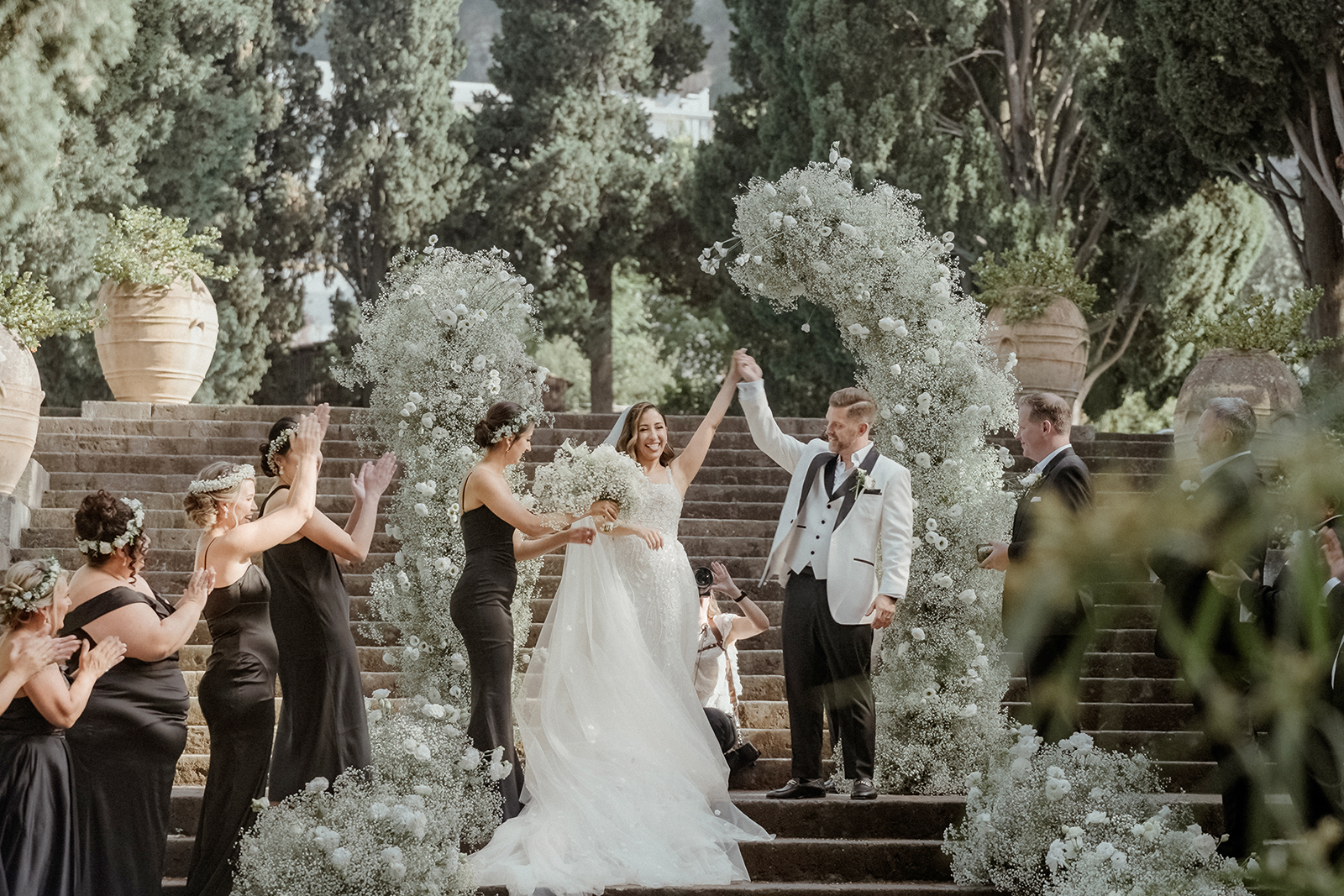
Planning a destination wedding in Italy means navigating one of Europe’s most varied and emotionally rich wedding destinations. The country offers very different experiences depending on where you marry; a wedding in Tuscany unfolds differently from one on the Amalfi Coast, in Venice, on Lake Como, in Sicily, or in Puglia, not only in atmosphere, but in logistics, guest experience, pacing, and the kind of celebration each place naturally supports.
For many international couples, that variety is exactly what makes Italy so compelling. The country can feel architectural or rural, expansive or intimate, socially immersive or quietly contained, depending on the region and the structure of the celebration itself.
How to plan a destination wedding in Italy is therefore not simply a matter of choosing a beautiful venue. It means understanding what kind of experience you want to create, which part of Italy supports it best, what a realistic budget looks like for your scale of celebration, and how to build the right team around that vision.
This guide covers those decisions in the order they are most worth making.
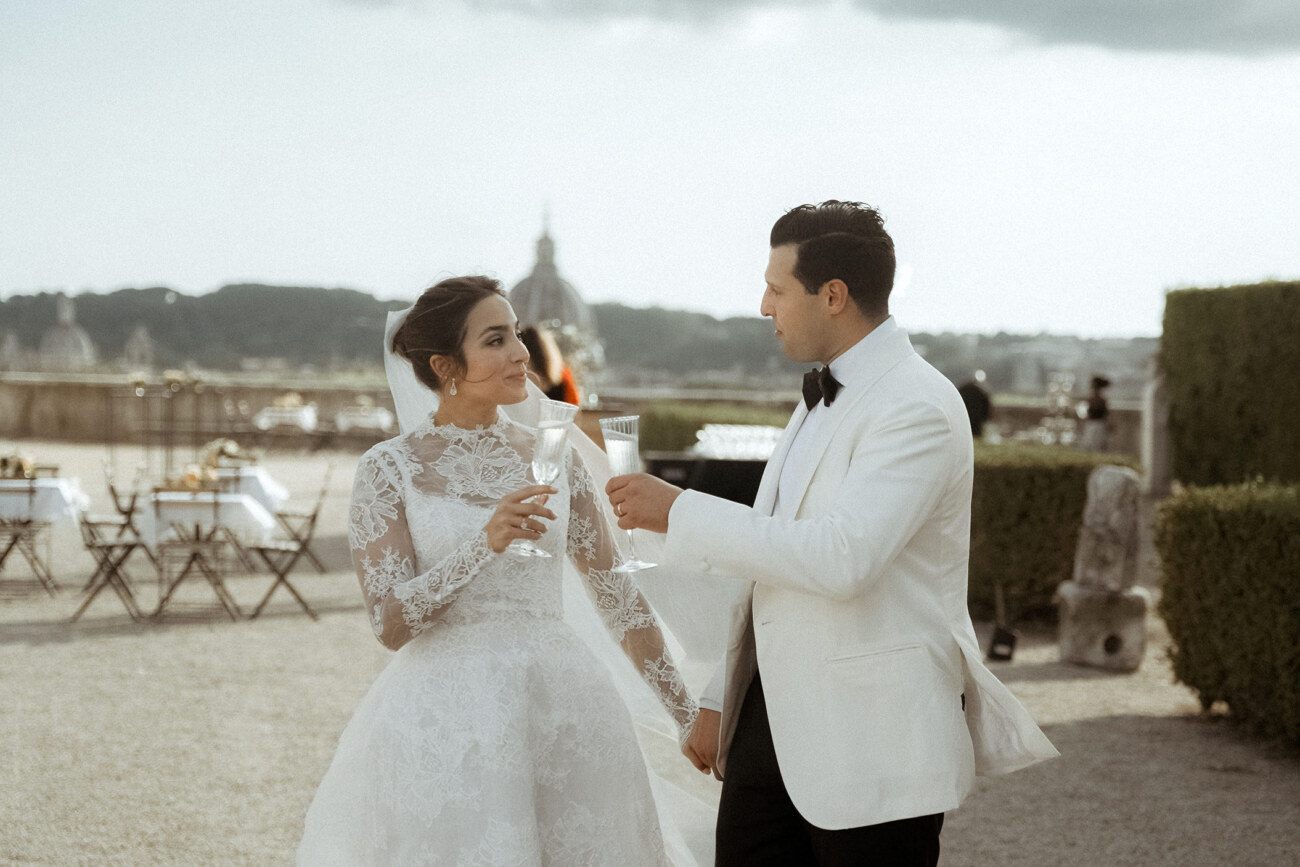
Start With the Kind of Celebration You Actually Want
The most useful question to ask before anything else is not which villa, which region, or even what season. It is what kind of experience you want your wedding to be.
Italy can hold an exceptional range of celebrations. A two-person elopement in the Dolomites is an Italian wedding. So is a three-day celebration in Puglia with guests staying across a masseria estate. So is a refined city wedding in Rome, a villa wedding on Lake Como, or a coastal celebration on the Amalfi Coast unfolding across multiple terraces and locations.
These are not versions of the same event. They require different budgets, different planning rhythms, different guest logistics, and in many cases different regions entirely. Starting with a clear sense of the experience you want to create, its scale, its atmosphere, and the emotional quality you want it to carry, makes every later decision far more coherent.
Ask yourselves: how many people do we genuinely want present? Do we want guests to stay together, or simply gather for the day itself? Is this a one-day event, or something that unfolds across several days? Do we want the place to feel immersive and socially expansive, or intimate and contained?
The answers to those questions will usually point you toward the right part of Italy before you have looked at a single venue.
Choosing the Right Region in Italy
One of the first things couples discover when they begin planning a destination wedding in Italy is that the country is not one destination. It is a collection of very different wedding experiences, and the differences between regions are not simply visual. They are practical, atmospheric, and logistical in ways that shape the wedding day itself.
Tuscany
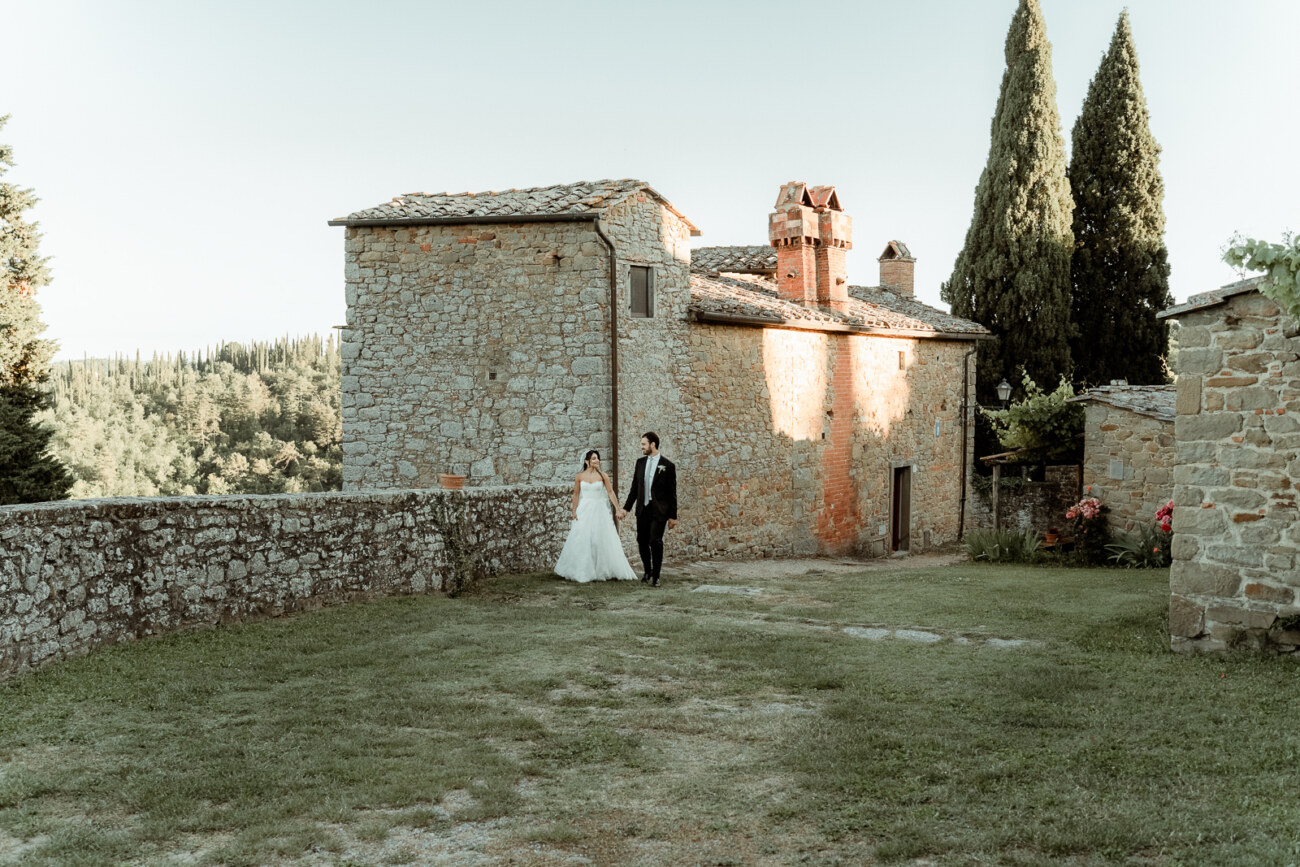
Tuscany remains one of the most sought-after regions for destination weddings in Italy because it offers a rare balance of beauty, scale, and ease. Vineyards, historic estates, olive groves, and villas create an atmosphere that feels expansive without becoming overly theatrical.
It works especially well for celebrations built around shared time; welcome dinners, multi-day gatherings, long outdoor meals, and weddings where the venue itself can hold much of the experience. Tuscany often suits couples who want the wedding to feel immersive, grounded, and generous.
For a closer look at this region, you can also explore Tuscany Wedding Videographer and Best Wedding Venues in Tuscany.
The Amalfi Coast
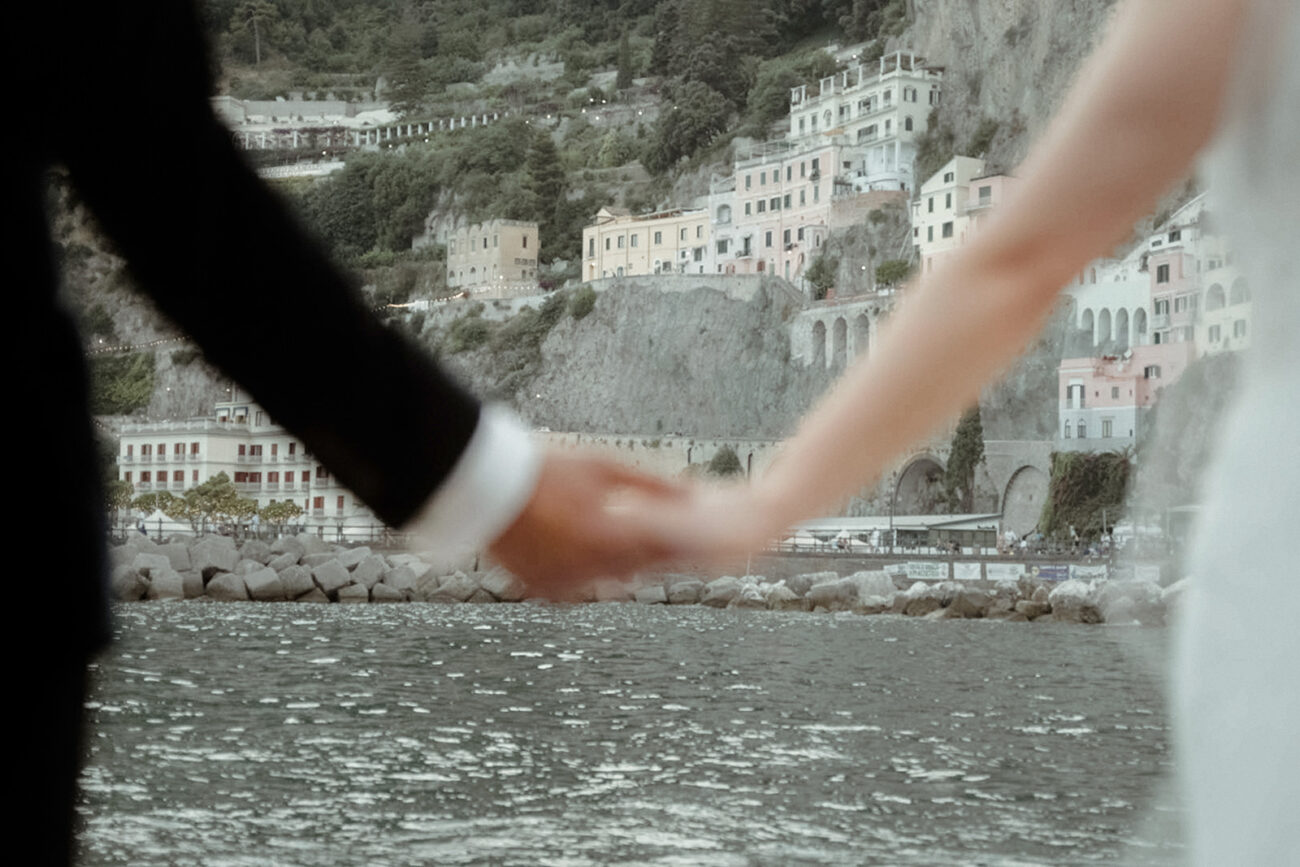
The Amalfi Coast offers something more vertical, dramatic, and logistically demanding. The scenery is extraordinary, but guest logistics matter more here than in most other Italian destinations. Transfers, timing, narrow roads, guest coordination, and weather shifts can all shape the day in real ways.
This is part of what makes the coast so special, but also why it rewards thoughtful planning. Amalfi weddings often suit couples who are drawn to visual intensity, layered experiences, and a celebration that feels cinematic and alive.
For more on this region, you can also explore Amalfi Coast Wedding Videographer and Best Luxury Wedding Venues on the Amalfi Coast.
Lake Como
Lake Como offers a different kind of luxury. It tends to feel more refined, more contained, and more architecturally composed. Historic villas, formal gardens, lake views, and boat movement create a setting that can feel elegant without becoming loud.
This region often suits couples who want intimacy, privacy, and visual coherence, especially when the celebration is hosted within one strong venue or unfolds across a small number of carefully chosen spaces.
For more on this region, you can also explore Lake Como Wedding Videographer and Best Wedding Venues in Lake Como.
Puglia
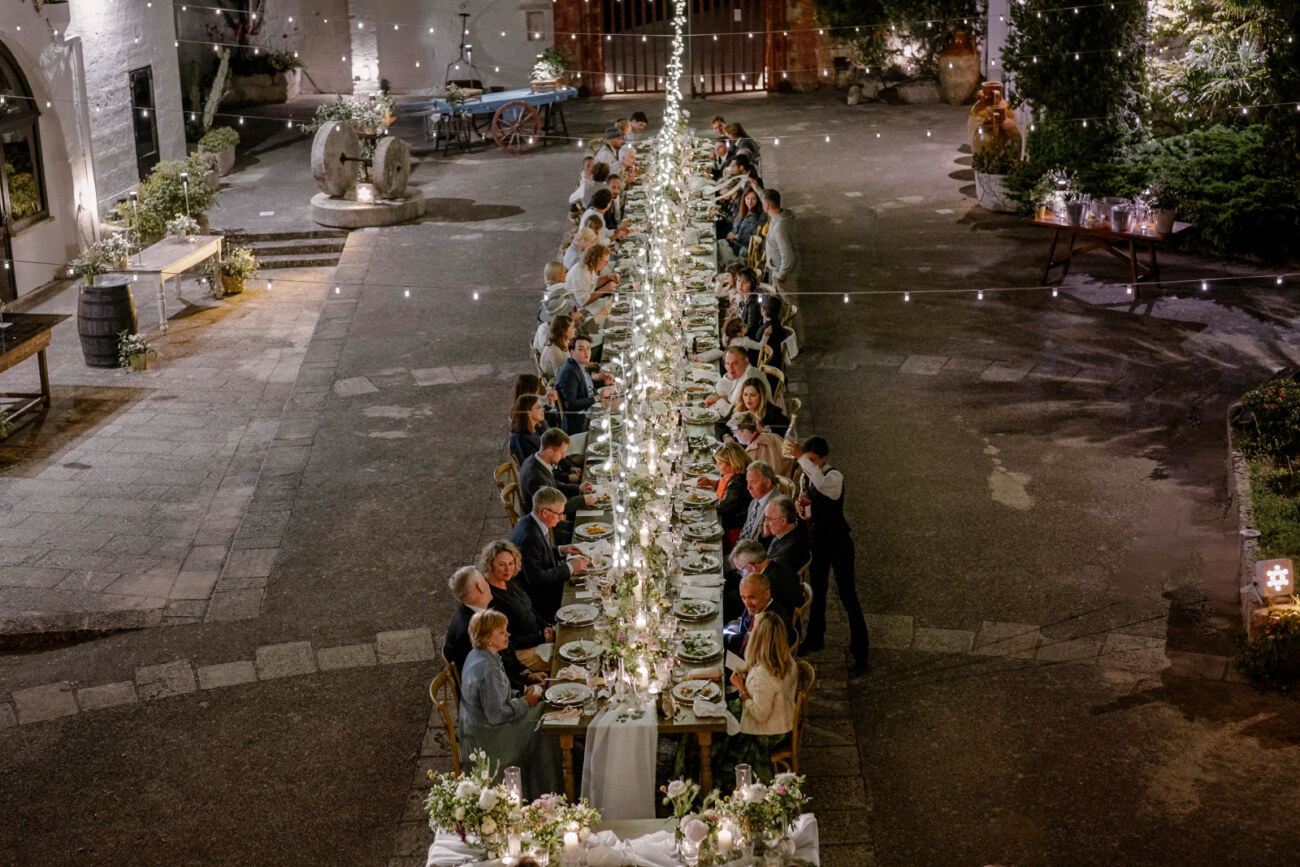
Puglia often feels warmer, more relaxed, and more socially expansive. Masserias, open courtyards, olive groves, and southern hospitality make it especially well suited to weddings that unfold over several days and feel rooted in food, place, and time together.
For many couples, Puglia offers a high-end destination experience without the same visual or logistical pressure as Italy’s most globally iconic regions. It can feel less formal, but no less refined.
For more on this region, you can also explore Puglia Wedding Videographer.
Umbria
Umbria deserves to be treated as its own destination rather than a lesser-known footnote. It shares some of Tuscany’s countryside appeal, but usually with a quieter, more understated mood. Hill towns, monasteries, stone villas, and agricultural estates make it a strong option for couples drawn to central Italy but looking for something slightly less expected.
It often suits celebrations that want atmosphere, intimacy, and immersion without the same degree of international saturation.
Venice
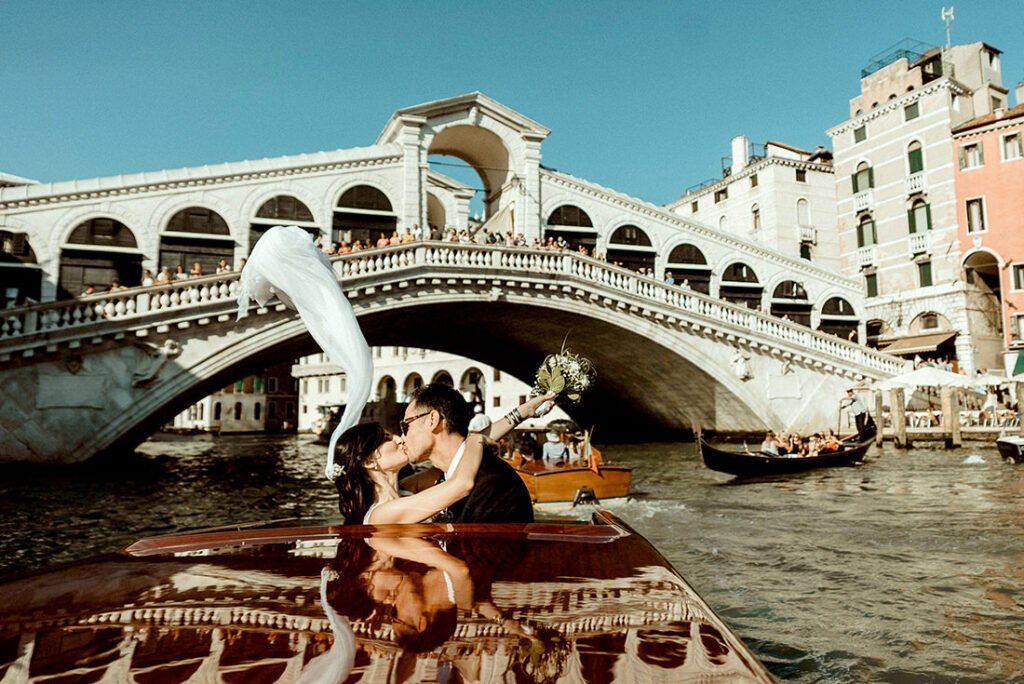
Venice creates a wedding experience unlike anywhere else in Italy. It is not a region built around estates or open landscapes, but around movement through an extraordinary urban setting; boats, canals, historic palazzi, courtyards, hidden gardens, and a city fabric that shapes every transition.
Venice can be magical, but it is also logistically distinctive. Access, guest movement, loading, water transport, and venue flow all need careful thought. It tends to suit couples who are drawn to architecture, atmosphere, and a sense of occasion that feels both cultural and theatrical.
Rome
Rome belongs in this guide because city weddings in Italy are a category of their own. The appeal here is not immersion in one estate or landscape, but the layering of architecture, history, and urban energy. Weddings in Rome can feel grand or deeply intimate, depending on venue and scale, but they usually suit couples who want a wedding embedded in a living city rather than held apart from it.
Rome also has practical advantages: international accessibility, strong hospitality infrastructure, and a deep vendor network.
Sicily
Sicily offers one of the richest destination wedding experiences in Italy. It carries scale, culture, coastline, food, and visual depth in a way that feels entirely its own. From historic towns to seaside venues, private estates, and locations such as the area around Scopello or the Aeolian Islands, Sicily can suit both socially expansive celebrations and more atmospheric, destination-led weddings.
It rewards couples who are drawn to southern intensity, a strong sense of place, and weddings that feel fully embedded in the local texture of the region.
Sardinia
Sardinia is home to some of Italy’s most exclusive coastal events, especially around Porto Cervo and the Costa Smeralda. It tends to sit more clearly in the luxury and ultra-luxury space, and can be relevant for couples prioritizing privacy, coastline, and high-end hospitality.
It is not always the first region that comes to mind in the broader destination wedding conversation, but for the right celebration it can be extremely relevant.
How the Planning Process Changes by Region
This matters more than many general guides acknowledge. A wedding in Tuscany or Umbria may be centred around one estate where everyone stays together. A wedding on the Amalfi Coast may involve more complex movement and tighter guest coordination. Venice operates through water-based logistics. Lake Como often carries a higher base cost and a more formal rhythm. Sicily and Puglia can support fuller multi-day experiences with a stronger sense of local life.
No region is “best” in the abstract. The better question is which one supports the kind of wedding you want to live.
When to Get Married in Italy
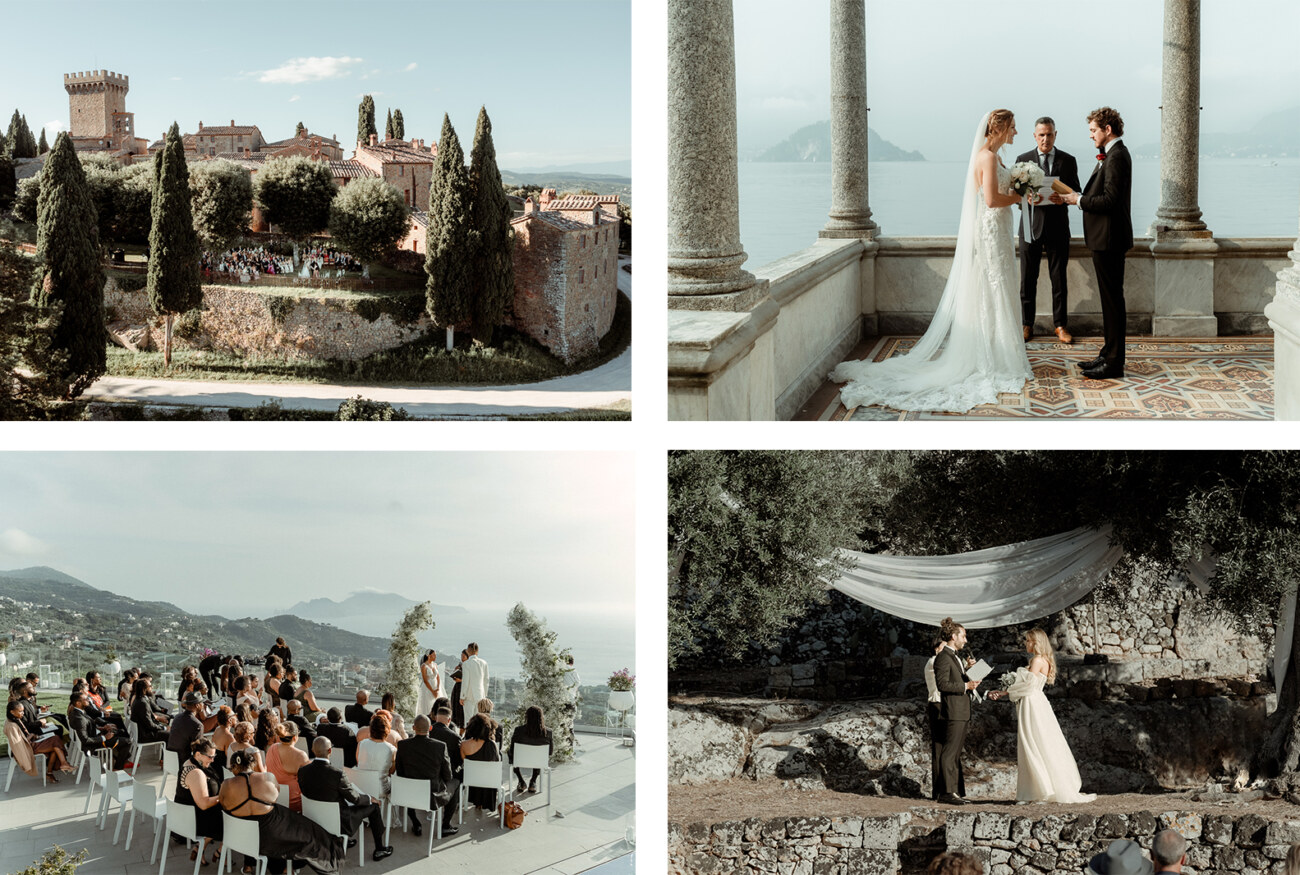
Timing shapes a destination wedding in Italy far beyond temperature alone. It influences guest comfort, ceremony timing, venue atmosphere, travel ease, and the overall energy of the celebration.
Why Weather and Logistics Matter More Than Couples First Assume
Italy’s wedding season often feels broad on paper, but conditions vary sharply by region and month. Summer on the Amalfi Coast does not feel the same as summer in Tuscany. A late September wedding in Puglia does not behave like an early May wedding on Lake Como. Venice and Rome bring different rhythms again, because urban weddings depend not only on light and weather, but also on movement, tourism pressure, and timing within the city.
Heat becomes a real factor in many parts of Italy during July and August, particularly for outdoor ceremonies and guest movement between locations. The coast can also be more unstable than couples expect. Even in high season, a clear start to the day does not guarantee stable weather later. Sudden storms, heavy rain, and even hail can interrupt an outdoor plan, especially in exposed settings.
This is why a real Plan B matters, especially in places where scenery carries so much of the atmosphere. A backup option should still allow the wedding to feel intentional and beautiful, not simply covered.
A Practical Seasonal Guide
May and June are often among the most balanced months for destination weddings in Italy. Landscapes are lush, temperatures are generally manageable, and light remains generous across the country.
July and August can still be beautiful, especially for couples drawn to the energy and intensity of peak season, but they require more thought. Heat, tourism pressure, guest comfort, and ceremony timing all become more important.
September is often one of the most appealing months. The light softens slightly, temperatures become easier in many regions, and the overall atmosphere feels calmer while still remaining vibrant. October can be beautiful too, especially in Tuscany, Umbria, Puglia, Rome, and parts of Sicily, though daylight shortens and weather becomes less predictable.
If you are trying to understand how to plan a destination wedding in Italy well, seasonality should be part of the structure from the beginning, not treated as a background detail.
Create a Realistic Budget Around Your Priorities
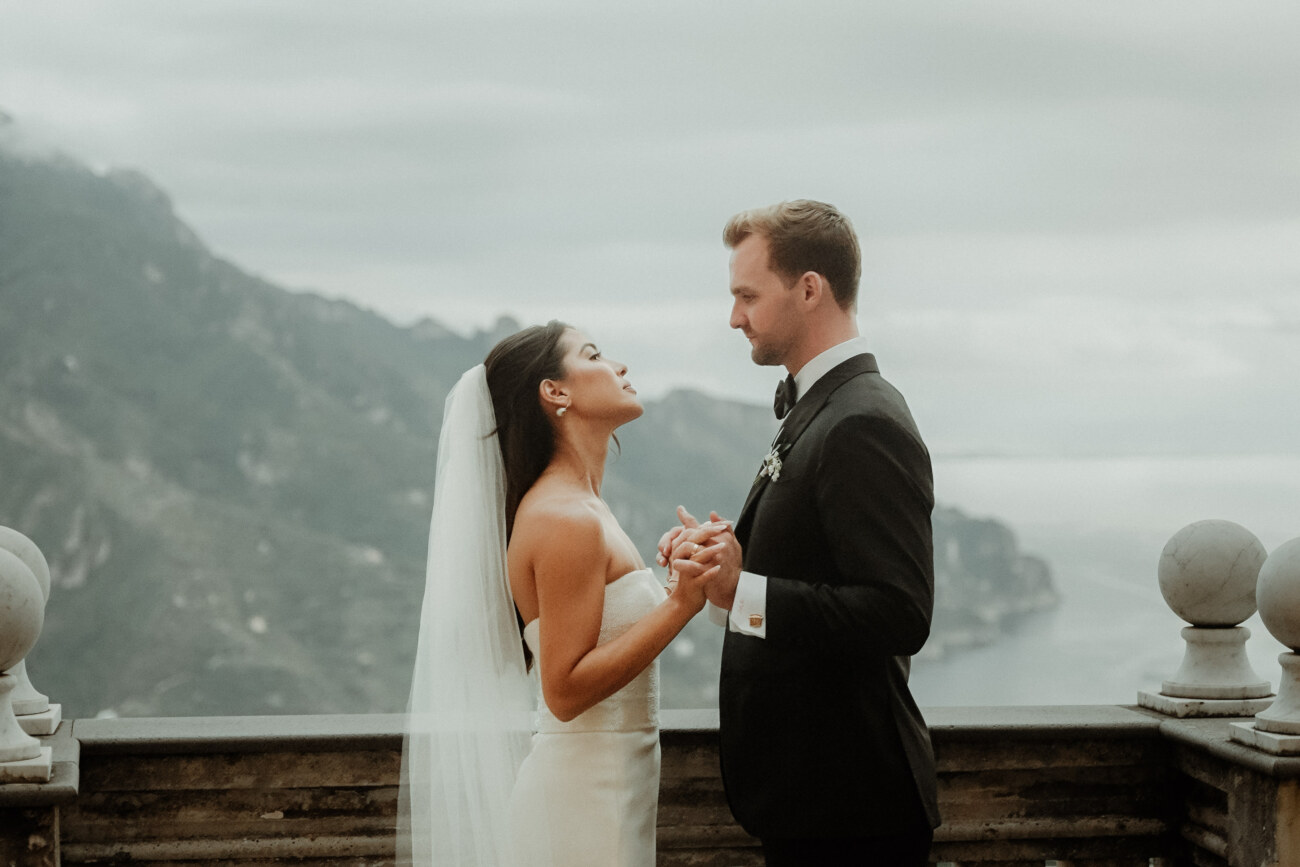
One of the most common mistakes for couples researching how to plan a destination wedding in Italy is treating budget as mostly a regional question, when scale and structure are often the stronger forces underneath it.
Italy contains destinations that carry very different base costs. Lake Como and the Amalfi Coast tend to sit at the upper end even before production grows more elaborate, while parts of Puglia, Umbria, or rural Tuscany can offer more flexibility at a similar standard of beauty. But the destination alone never tells the whole story. What shifts the budget most significantly is usually the number of guests, the number of events, the level of privacy required from the venue, and whether the celebration is built around one place or spread across multiple settings.
Destination wedding costs in Italy vary significantly depending on scale, region, and venue, and any figure found online should be treated as orientation rather than a quote. What drives the total most significantly is not the destination alone but the number of guests and the number of days.

As a rough reference point for a high-end but not ultra-luxury celebration at an established Italian venue, meaning a well-regarded villa or estate with strong wedding infrastructure, experienced staff, and a refined setting, but not one of Italy’s most iconic or exclusively booked properties, an intimate celebration of around thirty to forty guests might be structured from around €37,000 to €74,000, depending on region, catering standard, and whether the celebration extends across more than one day.
A mid-size wedding of around sixty to eighty guests at an established Tuscan estate, Amalfi Coast villa, or Lake Como property may often operate in the €92,000 to €185,000 range when a full vendor team, welcome dinner, and multi-day elements are included.
Larger celebrations of one hundred guests or more at a premium Italian venue with full production regularly move into the €230,000 and above range.
Premium regions carry a higher base cost than others. The Amalfi Coast and Lake Como tend to sit at the upper end of these ranges even for comparable venue quality, while Puglia and rural Umbria often offer more flexibility at similar standards. Ultra-luxury and globally iconic venues operate in an entirely separate budget territory and are best discussed directly with a specialist planner.
These figures are orientation ballparks, not quotes. The most accurate budget picture always comes from a planner who knows your specific destination and can build a realistic framework around your actual celebration.
For couples comparing Italy with other European destinations, this broader destination wedding budget in Europe guide includes examples from Tuscany, Santorini, and the South of France.
Think in Terms of Structure, Not Just Style
In Italy, budget often follows structure more than couples initially expect.
A venue that can hold the whole celebration, guest accommodation, welcome dinner, ceremony, dinner, and next-day gathering can simplify both spending and logistics. A more fragmented structure, where the experience moves between several spaces, may feel extraordinary, but usually requires more transport, more coordination, and a larger production framework around it.
This is why a wedding that looks visually simple may still carry a substantial budget, while another that appears more elaborate in photographs may actually be easier to hold together because the structure is more efficient.
The strongest budgets are usually the ones built around what matters most to you, while also respecting the real logistical behaviour of the destination itself.
How to Plan a Destination Wedding in Italy from Abroad
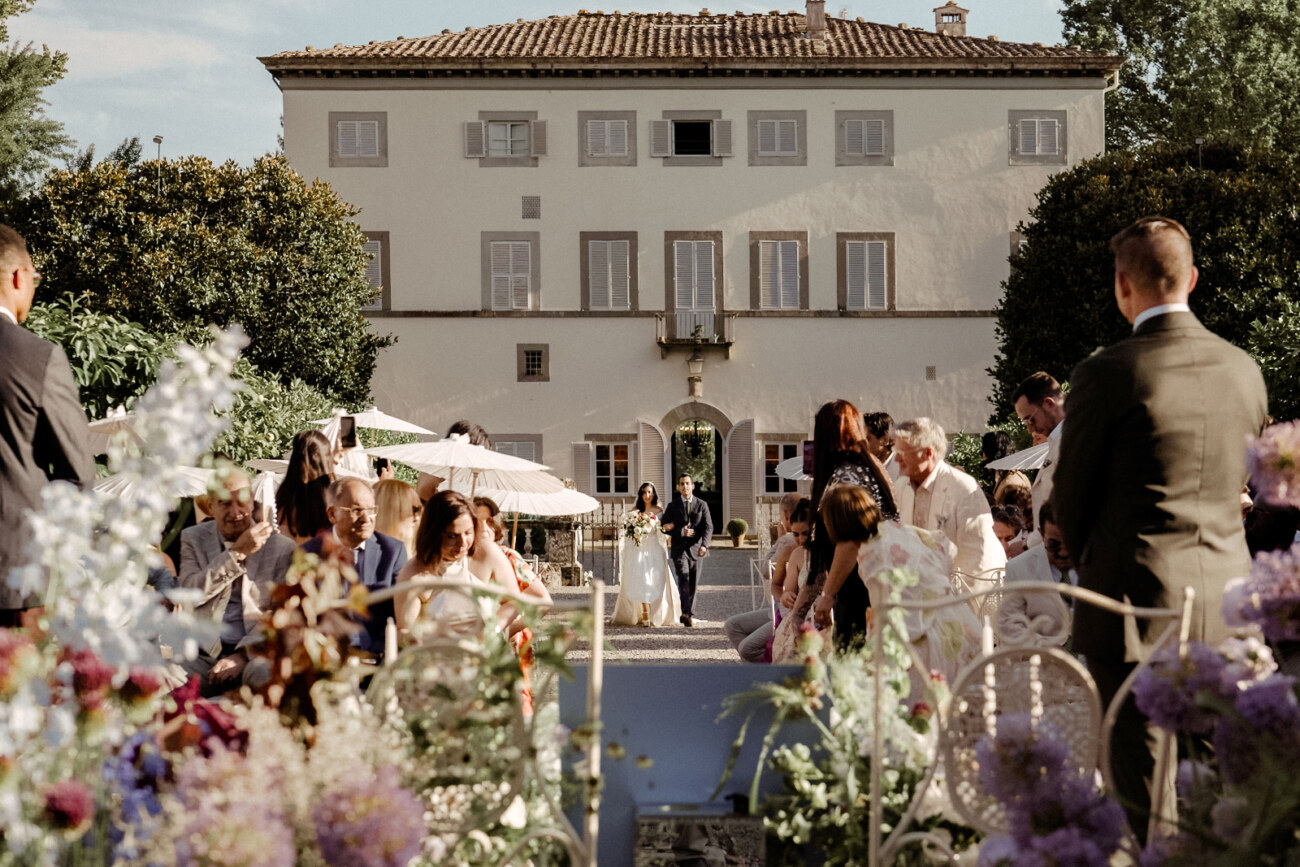
Planning from abroad can feel deceptively straightforward in the early stages. Italy is so visually familiar to many couples that it is easy to assume the process will reveal itself naturally once a venue is chosen. In reality, the order of decisions matters more than it first appears.
What tends to make planning in Italy easier is not moving quickly, but moving clearly. Before venues, before design, before smaller aesthetic choices, the most useful decisions are the ones that define the structure of the celebration itself. Which region actually supports the wedding you want to create? Will guests stay together or separately? Is the experience centred around one property or spread across several places? Will the day itself be self-contained, or part of a longer sequence of events?
In Italy, many of the most beautiful weddings also depend on practical coordination that is not obvious in photographs. Historic venues, transport timing, access restrictions, church or civil logistics, guest accommodation patterns, weather contingencies, and movement between locations all shape the flow of the experience.
The process becomes much easier when those realities are treated as part of the vision from the start, rather than something resolved later.
A Simple Way to Approach the Process
For most couples planning from abroad, the process feels far more manageable when each decision builds naturally on the previous one:
- Clarify the kind of celebration you want
Decide on scale, atmosphere, guest experience, and whether the wedding will unfold across one day or several. - Choose the region that supports that experience
Let the destination follow the structure of the celebration, not the other way around. - Set a realistic budget before approaching venues
Knowing your range early prevents misalignment and saves time. - Secure the venue
In Italy, the venue often determines not only the visual setting, but also how the celebration can actually function. In premium regions and high season, sought-after venues are booked well in advance. - Bring in the wedding planner, if needed, as early as possible
In many Italian destinations, especially those involving multiple locations or guest movement, this changes the entire quality of the planning process. A wedding planner can also assist with identifying and booking your dream venue, so this step could actually come earlier in the planning process. - Build your team of Creative Vendors around the actual shape of the wedding
Once your venue and planner are confirmed, photography and videography should follow without delay. The strongest creative team is not simply talented, but right for the pace, geography, and emotional character of the celebration. - Inform guests early and clearly
International guests need time to arrange flights, accommodation, and in some cases multiple transfers.
Do You Need a Wedding Planner for a Destination Wedding in Italy?
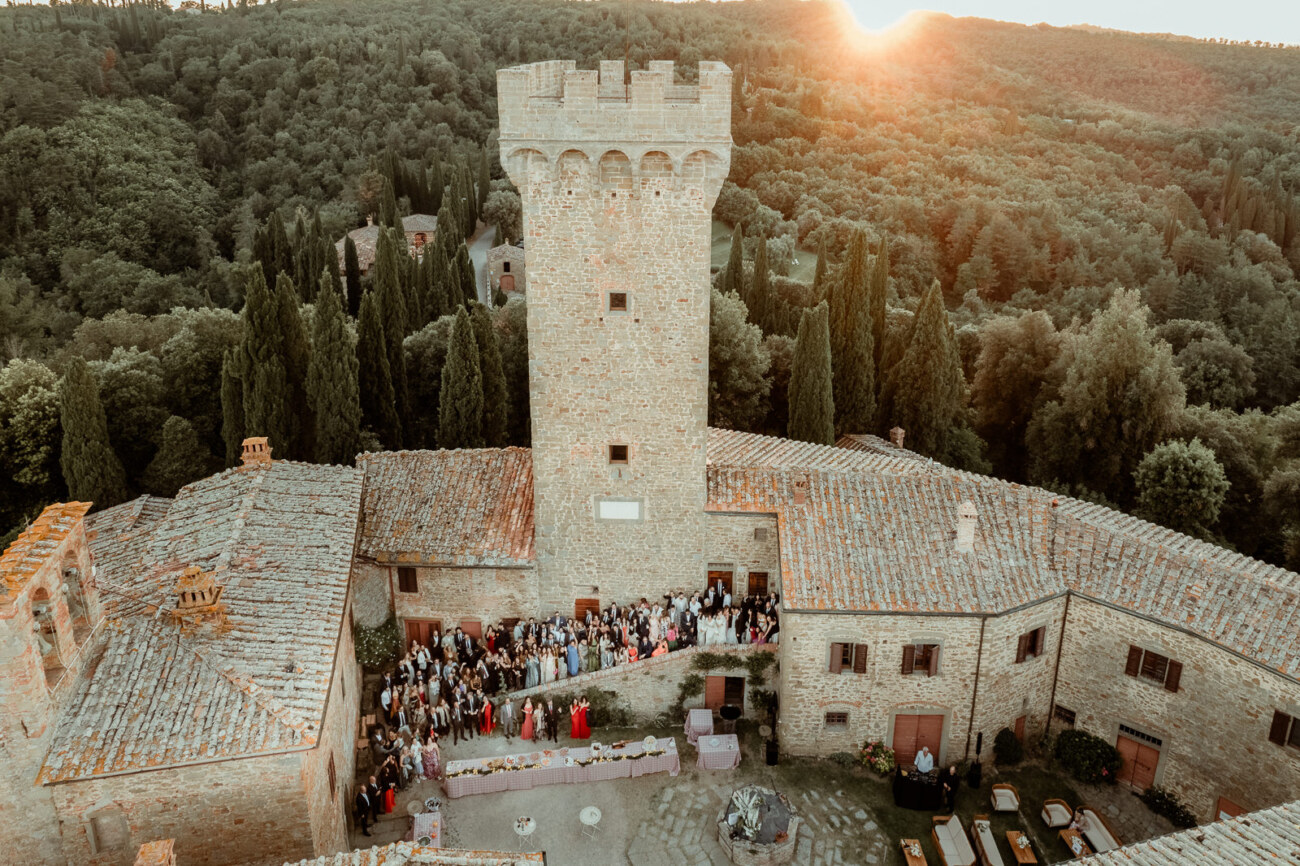
For many weddings in Italy, the value of a planner lies in how they coordinate the flow among places, people, and timing. A wedding at a Tuscan estate, on the Amalfi Coast, in Venice, or on Lake Como each brings different logistical realities: movement between venues, guest transport, local regulations, weather contingencies, and the practicalities of historic spaces. The more layered the celebration becomes, the stronger a planner protects their ease.
That said, not every celebration requires the same level of support. Smaller symbolic ceremonies or intimate elopements can sometimes be planned without a full-service planner, particularly when the structure is simple, the guest count is very low, and the couple is comfortable organising details directly. In these cases, strong communication with the venue and a carefully chosen vendor team becomes even more important.
The question is not whether every wedding in Italy needs a planner, but whether the scale and complexity of your celebration justify one. In practice, the larger and more layered the event becomes, the more valuable professional planning usually is.
Questions Worth Asking an Italian Wedding Planner Before You Hire
If you do decide to work with a planner, the right questions early on can tell you far more than a polished website or a beautiful Instagram feed.
- How many weddings have you planned at this venue or within this region?
- How do you manage guest movement between ceremony, aperitivo, dinner, and accommodation?
- What is your weather contingency plan for gardens, terraces, or coastal venues?
- Which vendors do you work with regularly here, and why?
- How do you handle logistics in places with access constraints, such as Venice or the Amalfi Coast?
These questions matter because they reveal whether a planner has real operational experience, not just a refined portfolio.
Legal or Symbolic Ceremony in Italy
For international couples planning a destination wedding in Italy, this is one of the most important early decisions.
A symbolic ceremony is often the simplest and most flexible route. It allows more freedom in timing, setting, and structure, and avoids much of the administrative complexity of marrying legally abroad.
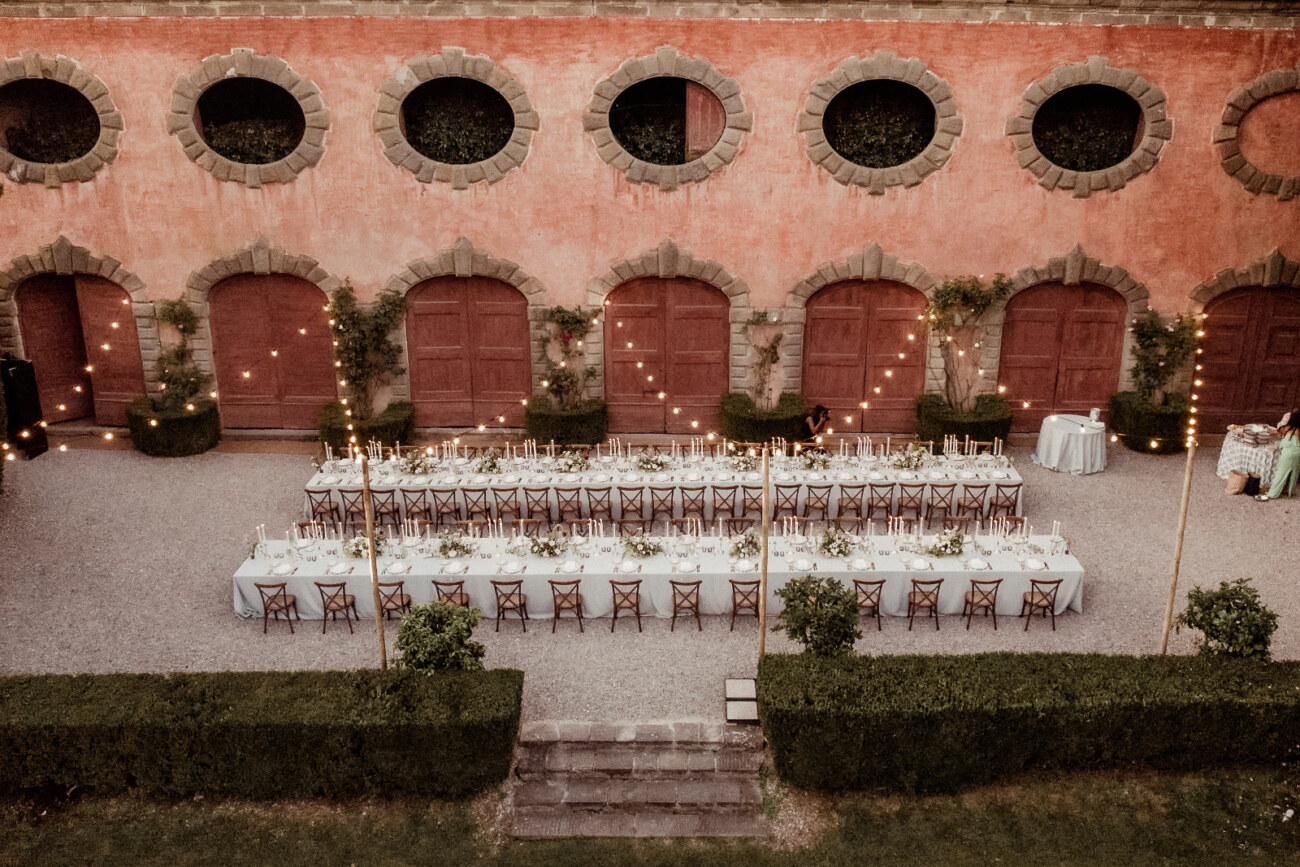
A legal ceremony in Italy is possible, but requirements can vary depending on nationality and local authority. Rather than relying on generalized advice, it is best to confirm the exact process with your wedding planner, the relevant Italian consulate, and the local municipality where the wedding will take place. The Italian Ministry of Foreign Affairs provides a useful official overview, while the local municipality where the ceremony will take place can confirm the exact documentation required. The process is manageable with the right support, but it is worth understanding early before date and venue commitments are made.
For many couples planning a destination wedding in Italy from abroad, the question is less “which option is better?” and more “which option allows the celebration to feel the most meaningful and the least burdened by administration?”
Build an Experience for Your Guests, Not Just an Event
This is one of the biggest differences between a destination wedding that feels beautiful and one that feels unforgettable.
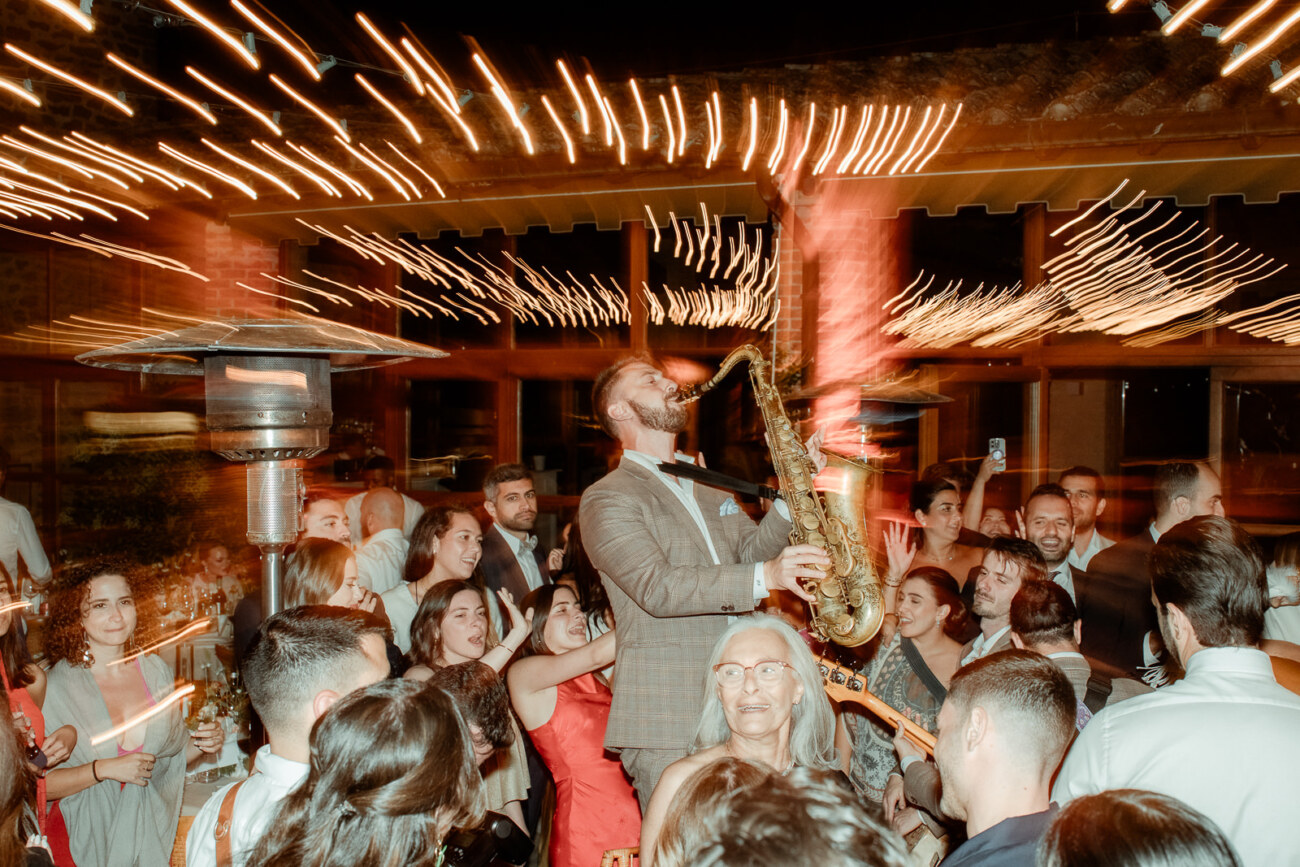
In Italy, the celebration often works best when it is thought of as an experience rather than a single formal day. A welcome dinner, a post-wedding brunch, a boat day, a pizza evening, a cooking class, or simply shared time around the venue can transform the emotional tone of the weekend.
These moments are not “extras” in a superficial sense. They help guests settle in, bond before the wedding, and experience the destination as something shared rather than something observed. For many couples, this is where the real magic of a destination wedding happens.
The Wedding Day Feels Better When the Days Around It Are Well Considered
Italy has a particular gift for weddings that feel like time set apart from ordinary life.
Long meals, slower afternoons, aperitivo before dinner, a walk through a town at dusk, guests settling into a place rather than simply arriving for an event, these are often the moments that give the celebration its emotional depth. The wedding itself becomes stronger when the days around it have enough space to breathe.
Couples who understand this early tend to make better planning decisions. They do not only ask what the wedding should look like, but what they want it to feel like for the people who have travelled to be there.
Choose Vendors With Strong Local Experience
This matters more than couples often realise.
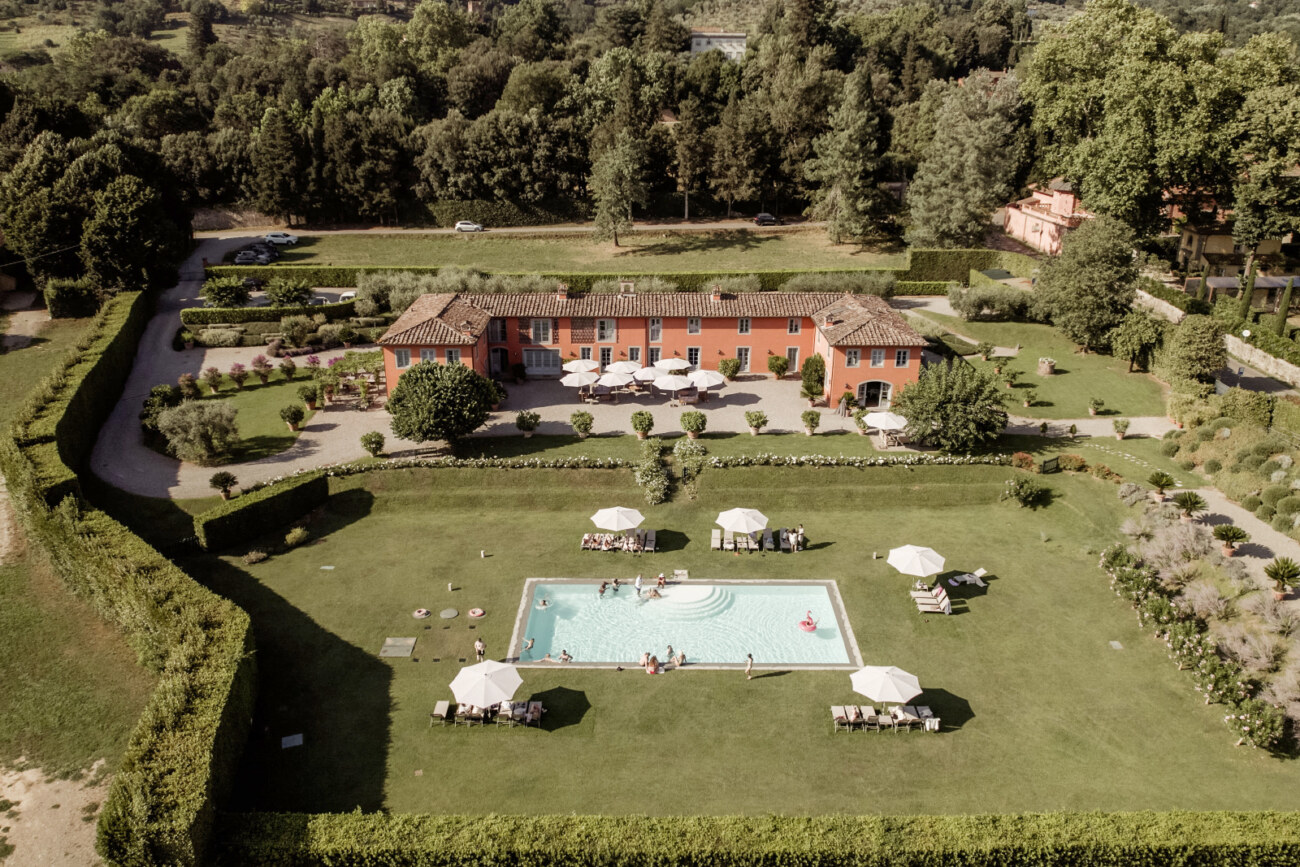
A vendor does not necessarily need to be based in the exact location, but experience in the country and region can make a meaningful difference. Knowing how weather behaves, how timelines slip, how certain venues operate, how transport affects the day, how to collaborate with local teams, and how to move between locations efficiently all contribute to a calmer and more successful celebration.
For photographers and videographers specifically, familiarity with the light and pace of different Italian regions changes the quality of the work in ways that are difficult to replicate without direct experience. The way evening falls over Lake Como is not the same as the visual intensity of the Amalfi Coast, or the slower, warmer rhythm of Puglia at golden hour.
For me personally, Italy is not a place I approach from the outside. I speak Italian, return regularly for work, know the pace of weddings here, and have built experience across different regions, venues, and local teams over time. That kind of familiarity matters because it allows the artistic process to remain calm, adaptable, and grounded in reality.
What Videography Means in the Context of a Destination Wedding in Italy
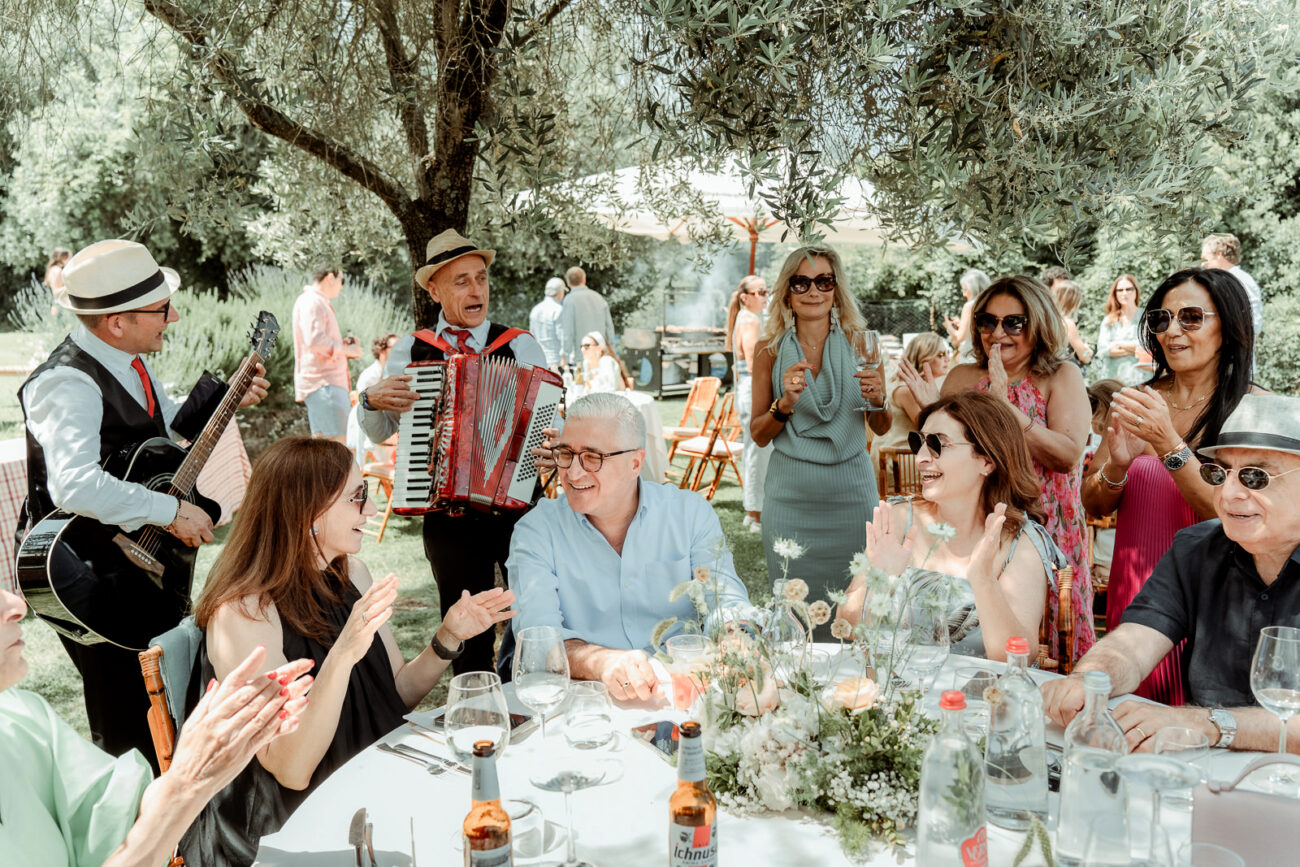
A destination wedding in Italy involves more than a single ceremony. It involves arrival, atmosphere, the quality of time shared between people who have travelled to be together, the sound of a place, the movement between spaces, and the way light changes across the celebration.
A wedding film made in Italy, when it is made well, does not simply document what happened. It carries the atmosphere of the place and the emotional weight of the gathering in a way that still images alone cannot. Movement, sound, and timing all change the way memory is held.
My approach to destination wedding filmmaking in Italy is rooted in observation and intentional narrative. The aim is never simply to recount the order of events. But, without staging or directing, it is to reveal the story of each couple through the wedding day itself, allowing the celebration to become the medium through which something more personal is expressed. The setting enhances that narrative, but does not replace it.
If you are exploring this more specifically, you can also discover my approach and work as an Italy Wedding Videographer.
Here is a glimpse into how an Italian destination wedding story can be translated into film:
Destination Wedding, Elopement or Something in Between
The distinction between a destination wedding and an elopement has become less fixed than it once was. Many couples drawn to Italy are looking for something between the two; intimate enough to feel personal, substantial enough to gather the people who matter most.
Italy accommodates this spectrum naturally. A symbolic ceremony for ten people in Tuscany carries a different energy from a three-day wedding on Lake Como, but both can feel equally intentional if the experience is built around the couple rather than scale and spectacle.
Whatever the format, the most important question remains the same: what kind of experience do you want to create, and who do you want to be present for it?
If you are considering an intimate celebration, you may also find it helpful to read How to Elope in Italy – Everything You Need to Know.
Frequently Asked Questions About Planning a Destination Wedding in Italy
If you are still weighing practical details, these are some of the questions couples most often ask when planning a destination wedding in Italy.
How far in advance should you plan a destination wedding in Italy?
For peak-season dates between May and October, it is wise to begin around twelve to eighteen months in advance, and earlier for the most sought-after venues in Lake Como and on the Amalfi Coast.
What is the best month for a destination wedding in Italy?
May, June, September, and early October are often the easiest months across many regions. September is especially appealing for couples who want softer light, easier temperatures, and a calmer atmosphere after peak summer.
Do you need a wedding planner for a destination wedding in Italy?
For most larger or multi-day destination weddings, yes. A planner with real local experience helps manage venue coordination, timelines, vendor communication, guest logistics, weather contingencies, and regional specifics that are difficult to oversee from abroad.
Is it easier to have a symbolic or legal ceremony in Italy?
For many international couples, a symbolic ceremony is simpler and more flexible. Legal ceremonies are possible, but the paperwork and administrative requirements vary by nationality and need to be checked early through official channels.
How much does a destination wedding in Italy cost?
An intimate high-end celebration of around thirty to forty guests may begin around €37,000 to €74,000, depending on region, catering level, and whether the celebration extends beyond one day. A mid-size wedding of around sixty to eighty guests may often sit around €92,000 to €185,000 when multi-day elements and a full team are included. Larger celebrations of one hundred guests or more at premium venues can move into the €230,000 and above range. These are broad orientation figures, not quotes.
Which part of Italy is best for a destination wedding?
That depends entirely on the experience you want. Tuscany suits estate-based, immersive celebrations. The Amalfi Coast suits visually dramatic weddings with more movement. Lake Como suits refined and contained elegance. Puglia suits slower, warmer, socially expansive weddings. Venice, Rome, Sicily, and Umbria each support very different types of celebration again.
Is Italy better for a wedding or an elopement?
Italy works beautifully for both. It offers the scale and infrastructure for multi-day weddings, but also the intimacy and atmosphere for symbolic ceremonies and smaller gatherings.
Final Thoughts
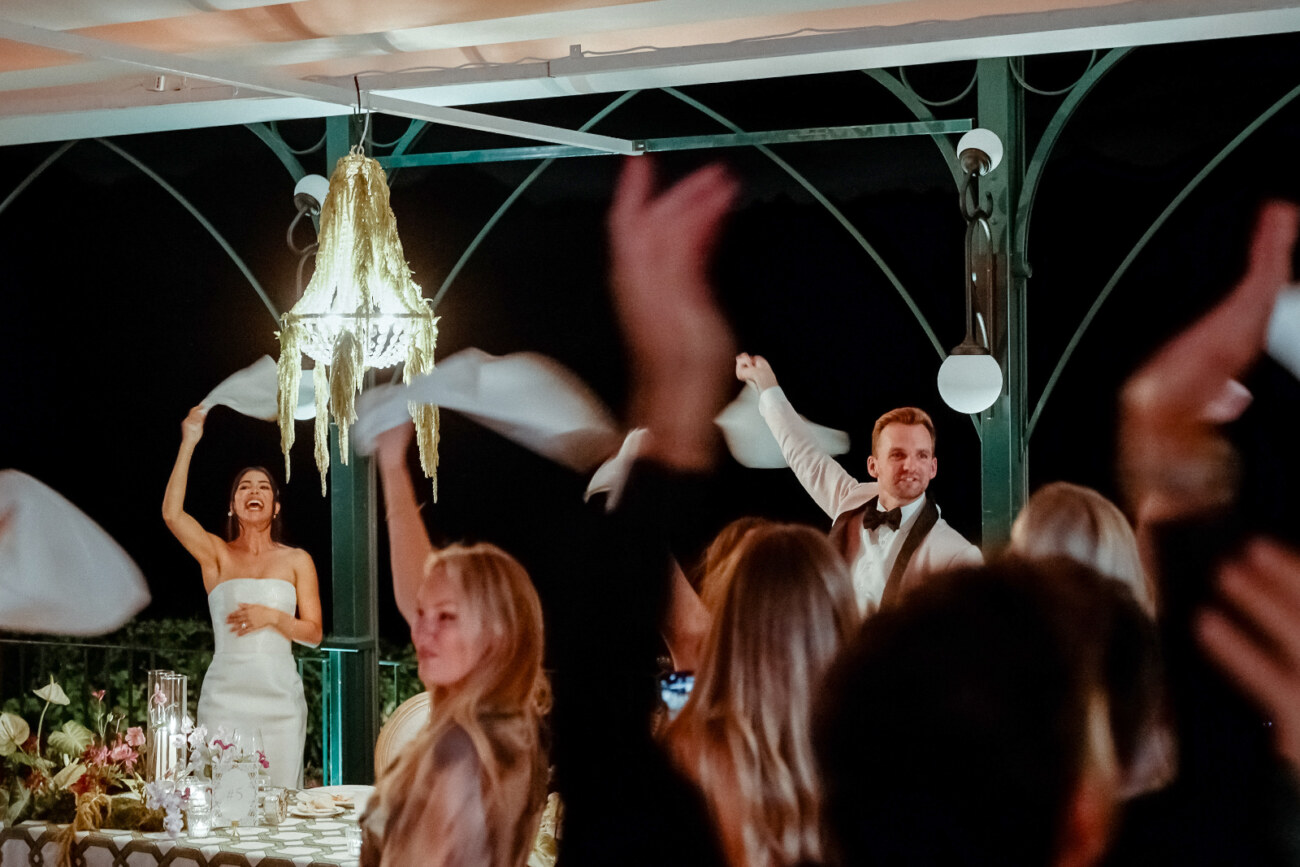
Italy rewards couples who plan with clarity and choose their team well. Its beauty is real and generous, but it does not remove the need for thoughtful decisions. The difference between a destination wedding that feels effortless and one that feels strained often comes down to the quality of the choices made before the first guest arrives.
The most memorable weddings are rarely the ones trying to do everything. They are the ones that understand their own rhythm, trust their priorities, and leave enough space for the experience to be fully lived.
Italy offers extraordinary possibilities. The real work is choosing the version of Italy – and the version of the wedding experience – that feels like yours.
Get in touch
If you are planning a destination wedding in Italy and would like to explore how your celebration could be documented with intention and clarity, I’d love to hear more about your plans.